Song Meaning
The lyrics paint a stark, almost mythic picture of a desolate urban landscape, specifically referencing Saint Vardaris Square. The soldiers, described like figures in an ancient tragedy, await specific destinations – Lagkadas, Monastiriou, Kafantari – suggesting a grim, perhaps inescapable, cycle of movement or duty. This opening sets a tone of somber waiting and predetermined paths, hinting at a deeper, more profound unease beneath the surface.
The narrator walks through the Castra in deep darkness, under a starless sky, a scene evoking the underworld. The mention of "routes of Hades" directly links this physical space to a realm of the dead or profound suffering. This imagery creates a powerful sense of isolation and despair, as if the narrator is traversing a landscape devoid of hope or guidance.
The juxtaposition of "Aphrodite and Tantalus" with a "fugitive angel" introduces a complex layer of classical allusion and spiritual weariness. Aphrodite represents love and beauty, while Tantalus signifies eternal punishment and unfulfilled desire. The angel, fleeing "elsewhere," seems unable to intervene or offer solace, highlighting the futility of trying to address another's suffering or mend what is broken, encapsulated by the image of a "torn rug."
This lyrical construction is effective because it grounds abstract feelings of despair and futility in concrete, albeit mythologized, imagery. The repetition of the Castra verse reinforces the cyclical nature of the narrator's bleak experience, making the sense of being trapped within this dark, starless reality palpable and deeply resonant.
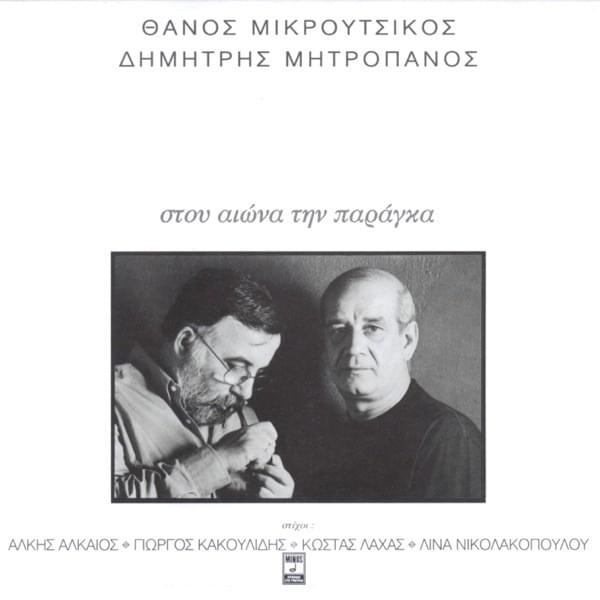
 View Artist