Song Meaning
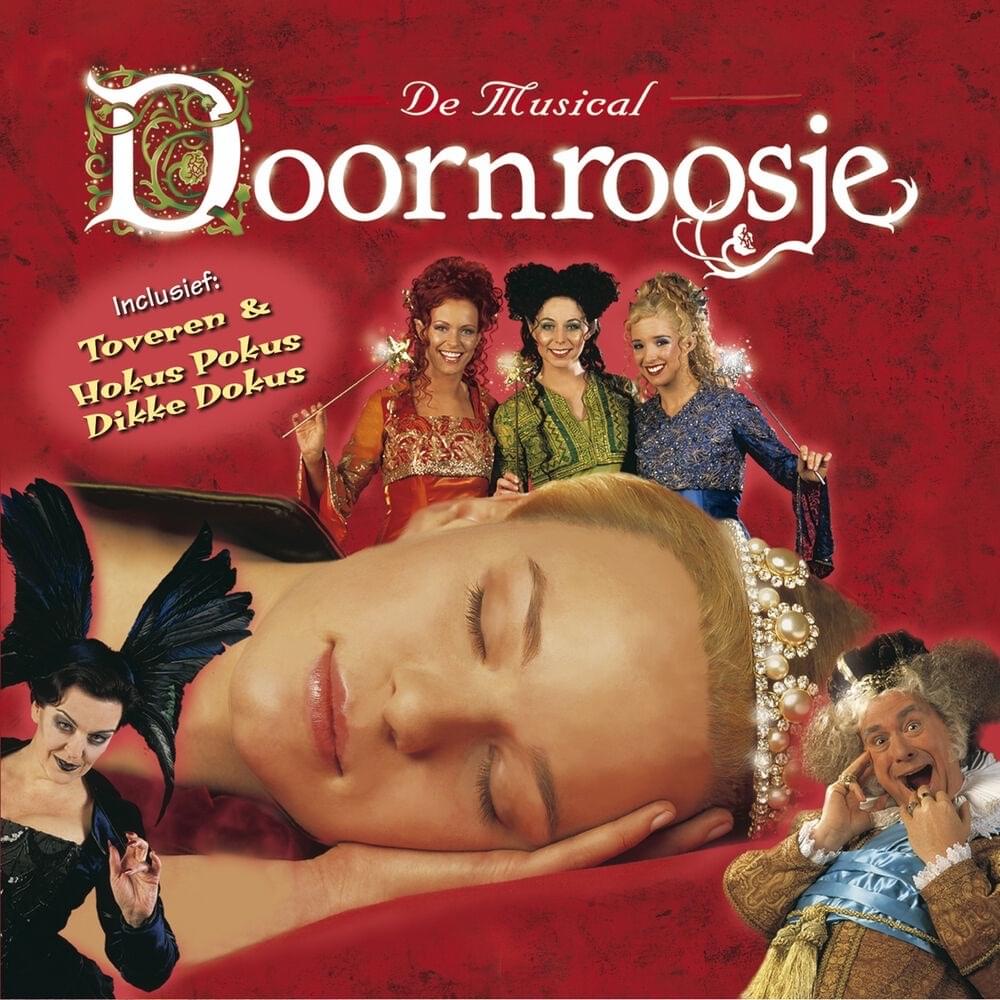
This is the grand opening, a theatrical introduction setting the stage for a story. The speaker, Theodoor, presents himself as a narrator, a former head servant from a castle filled with royalty. He promises a tale, rich with words and music, about the beloved Sleeping Beauty. The tone is formal yet inviting, like a ringmaster beckoning the audience into a magical performance. It's all about the build-up, the anticipation of the narrative to come.
The narrator establishes his credentials with a touch of old-world charm, mentioning his past role as a "hoofdlakei" (head butler or steward) in a castle teeming with "koningen en koninginnen." This immediately grounds the story in a world of hierarchy and grandeur, suggesting the tale itself will likely involve similar themes or settings. The urgency to "vlug aan beginnen" (quickly begin) hints at a story packed with events, a narrative that demands immediate attention.
The shift to time travel, "in de tijd gaan reizen met iets meer dan honderd jaar," is a classic storytelling device. It creates a sense of distance and fairy-tale quality, separating the present audience from the past events being recounted. The explicit mention of "een groot sprookjesboek" (a large fairy tale book) and "lieve Doornroosje" (dear Sleeping Beauty) leaves no doubt about the subject matter, framing the entire performance as a retelling of a familiar, cherished story.
What makes this prologue effective is its direct address and clear setup. Theodoor doesn't just tell; he invites, he announces, he positions himself as the guide through a magical, historical narrative. The blend of formal address ("hoog geëerd publiek") with the promise of a "sprookjesboek" creates an engaging contrast, pulling listeners into a world where the ordinary meets the extraordinary, all before the first real note of the story is sung.
 View Artist