Song Meaning
The lyrics paint a stark picture of early education, contrasting the idealized lessons of childhood with a harsh, unspoken reality. The narrator recalls being told in the first grade, in some old building, that life holds joys and a future ahead. This optimistic outlook, however, feels like a distant echo against the backdrop of what the narrator later understood.
The core tension emerges with the repeated refrain, "Μα πι-πι το παπί" (But pi-pi the duckling), a nonsensical phrase that seems to represent the disconnect between what children are taught and the actual path to success. The lyrics suggest that to achieve progress, one must discard shame, remain silent, and endure patiently, lest they anger the powerful. This passive acceptance is presented as the secret learned in the first grade of primary school.
The most striking element is the blunt revelation: "Πως του εργάτη το παιδί / Κι αυτός εργάτης θα γενεί" (That the worker's child / Will also become a worker). This cyclical fate, whether one wants it or not, is framed as the profound secret imparted by the educational system. The contrast between the initial platitudes about life's joys and this predetermined destiny for the child of a laborer is where the song's critical edge lies.
This lyrical construction is effective because it uses the innocence of childhood memory to expose a deeply ingrained social determinism. The seemingly childish "pi-pi to papi" becomes a potent, ironic symbol for the unfulfilled promises and the quiet resignation that the narrator perceives as the true lesson of their early schooling. It’s a quiet indictment of how societal structures are reinforced from the earliest stages of learning.
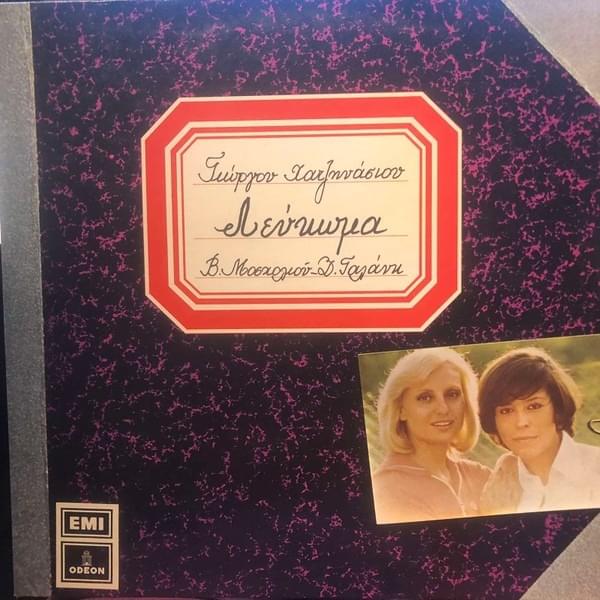
 View Artist