Song Meaning
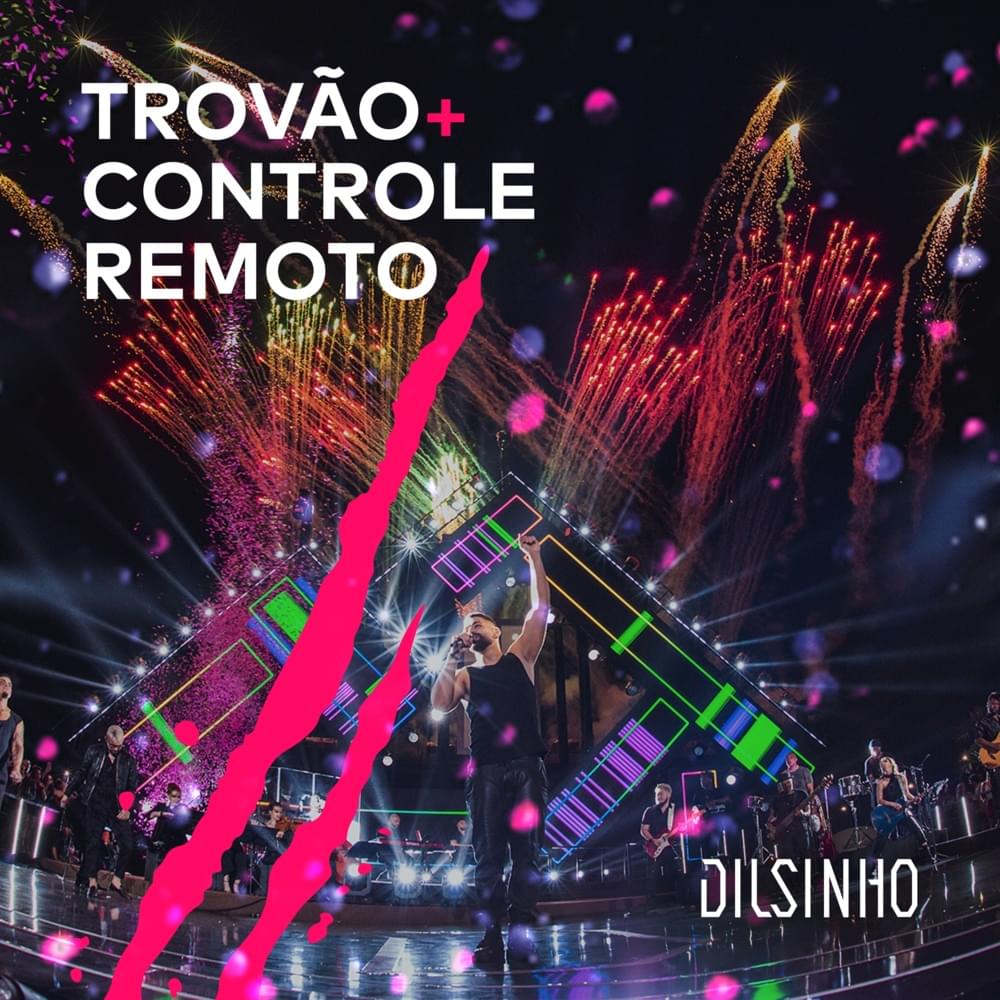
Dilsinho's "Controle Remoto" isn't just another Brazilian declaration of love; it's a vulnerable look into the immediate aftermath of a lovers' quarrel, steeped in regret and a desperate yearning for reconciliation. The song meaning centers around the fantasy of undoing the damage inflicted by heated words, a sentiment captured perfectly in the wistful opening lines: "Quem dera se depois de ontem você me atendesse" ("If only you would answer me after yesterday"). This sets the stage for a raw, relatable exploration of relationship dynamics. He dreams of a 'remote control' for life, a rewind button to erase the pain of the argument. It's not about escaping responsibility, but rather a heart-wrenching desire to protect the relationship from self-inflicted wounds.
The lyrical narrative unfolds with an honest portrayal of the escalation: "Começamos discutir/Me feriu, eu te feri" ("We started arguing / You hurt me, I hurt you"). Dilsinho doesn't shy away from acknowledging his role in the conflict. The verses are a humble plea, a recognition that pride is secondary to the connection they share. The impending visit to her apartment, signaled by the request to the doorman Seu Francisco, isn't a grand gesture, but a simple, heartfelt attempt to bridge the gap created by their fight. It underscores the intimacy and familiarity of their relationship.
Ultimately, "Controle Remoto" lands on a mature understanding of love. The storm has passed, and clarity returns. The repeated apology, "Desculpa, amor," is both a confession and an offering. The final lines, "Eu já abri meu coração/E agora tá na sua mão/Prefiro ser feliz que ter razão" ("I've already opened my heart / And now it's in your hand / I prefer to be happy than to be right"), encapsulate the song's core message: choosing happiness and vulnerability over ego. Dilsinho lays bare his emotional state, acknowledging the power the other person holds, and willingly relinquishes the need to be 'right' in favor of restoring harmony. This isn't just a love song; it's a lesson in emotional intelligence.
 View Artist