Song Meaning
These lyrics plunge us into a stark hypothetical: facing conflict, what's your move? Do you surrender, or do you fight back? The opening lines immediately establish a sense of being cornered, with "your back against the wall," forcing a visceral choice between inaction and resistance.
The core tension here revolves around inherited violence versus personal agency. The narrator questions whether we "live the violence or the violence we've inherited?" This isn't just about individual choice; it's about the inescapable weight of history and systemic oppression. There's a clear distinction drawn between blaming the "patriot for being blindly led" and refusing to blame the "rebel for removing his own chains," suggesting a nuanced view of who is truly responsible for perpetuating or breaking cycles of harm.
The recurring refrain, "Blackened and blue / You watch another turn the screw / Going on and on and on," is a gut punch. This vivid, almost physical imagery of slow, grinding torment underscores the relentless nature of the suffering being observed. Its repetition throughout the lyrics emphasizes a pervasive, inescapable pressure, making the eventual personal declaration — "I think a time may come when I might just have to do the same" — feel less like a threat and more like an inevitable, weary resolve to break free from that endless turning of the screw.
What makes these lyrics so potent is their unflinching honesty about the internal conflict. The narrator admits to never having "been put to the test," recalling youthful idealism about their "place in history" and the fear of living "through war." This vulnerability grounds the abstract questions in a deeply human experience, making the ultimate, quiet resolve to potentially "remove his own chains" resonate as a hard-won, necessary conclusion rather than a simple act of defiance.
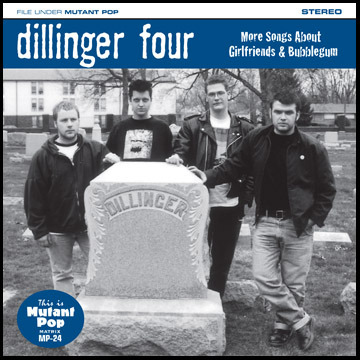
 View Artist