Song Meaning
This brief Spanish interlude immediately establishes a defiant, almost gleeful, stance against conventional productivity. The repeated phrase "Yo no fumo no trabajo" – "I don't smoke, I don't work" – acts as a mantra, setting a tone of unapologetic leisure. The laughter interspersed throughout suggests a lighthearted, perhaps even rebellious, joy in this chosen lifestyle. It paints a picture of someone actively rejecting the grind in favor of indulgence.
The core tension here lies in the direct juxtaposition of abstaining from work with the act of smoking. The lyrics explicitly link the two, framing smoking not as a vice to be hidden, but as the very reason for not working. This isn't about being lazy; it's about prioritizing a specific pleasure, a potent hashish, "fuerte" hashish, over the demands of labor. The laughter and the casual mention of "un poquito de fuego" (a little fire) underscore the carefree attitude towards this choice.
What's particularly striking is the sensory detail and the sense of discovery. The narrator notes "otro color" (another color) and "puro, do mel" (pure, from honey), implying a rich, perhaps even connoisseur-like, appreciation for the substance being consumed. This elevates the act beyond mere habit, suggesting a deliberate engagement with the experience, finding new nuances and pleasures within it. The humor and the specific references to the quality of the smoke add a layer of personality and vividness.
Ultimately, the effectiveness of these lyrics stems from their blunt honesty and the infectious, albeit unconventional, sense of liberation they convey. The simple, repetitive structure makes the central message unforgettable, while the interjections of laughter and sensory descriptions create an intimate, almost conspiratorial, atmosphere. It's a snapshot of someone finding their own definition of a good life, one that prioritizes immediate pleasure and rejects societal expectations of constant work.
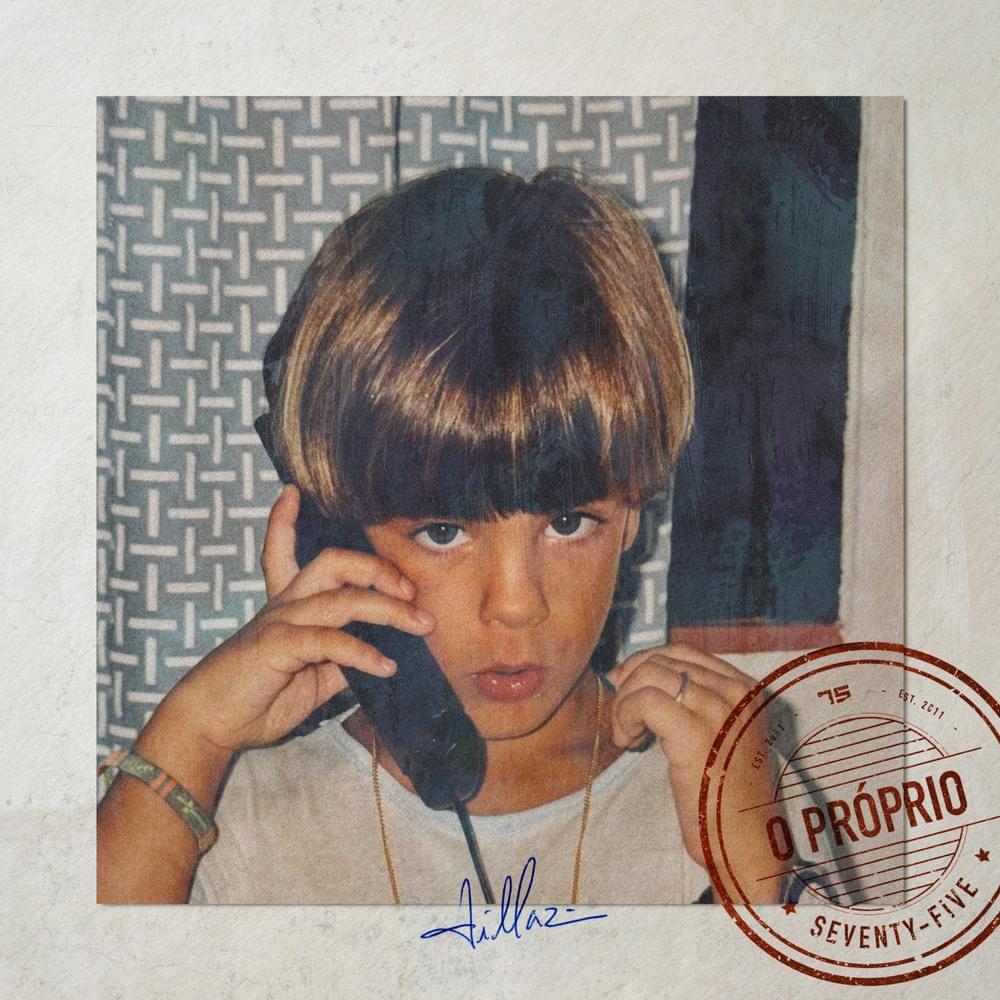
 View Artist