Song Meaning
This track opens with a disorienting, almost theatrical introduction, a roll call of figures in a confined space. The repeated "Кого я вижу!" (Who do I see!) sets a tone of surprised recognition, or perhaps forced acknowledgment, within a specific, somewhat claustrophobic setting. The mention of "сын маминой подруги (лучше всех)" (son of a friend of my mom's (the best)) injects a dose of ironic social comparison, a classic trope of feeling inadequate or observed against a backdrop of perceived perfection. The narrator feels scrutinized, directly addressing an unseen entity with "Я тебе не Битлз, чтобы так смотреть на меня" (I'm not a Beatle to look at me like that), a plea for individuality against an intense, almost invasive gaze.
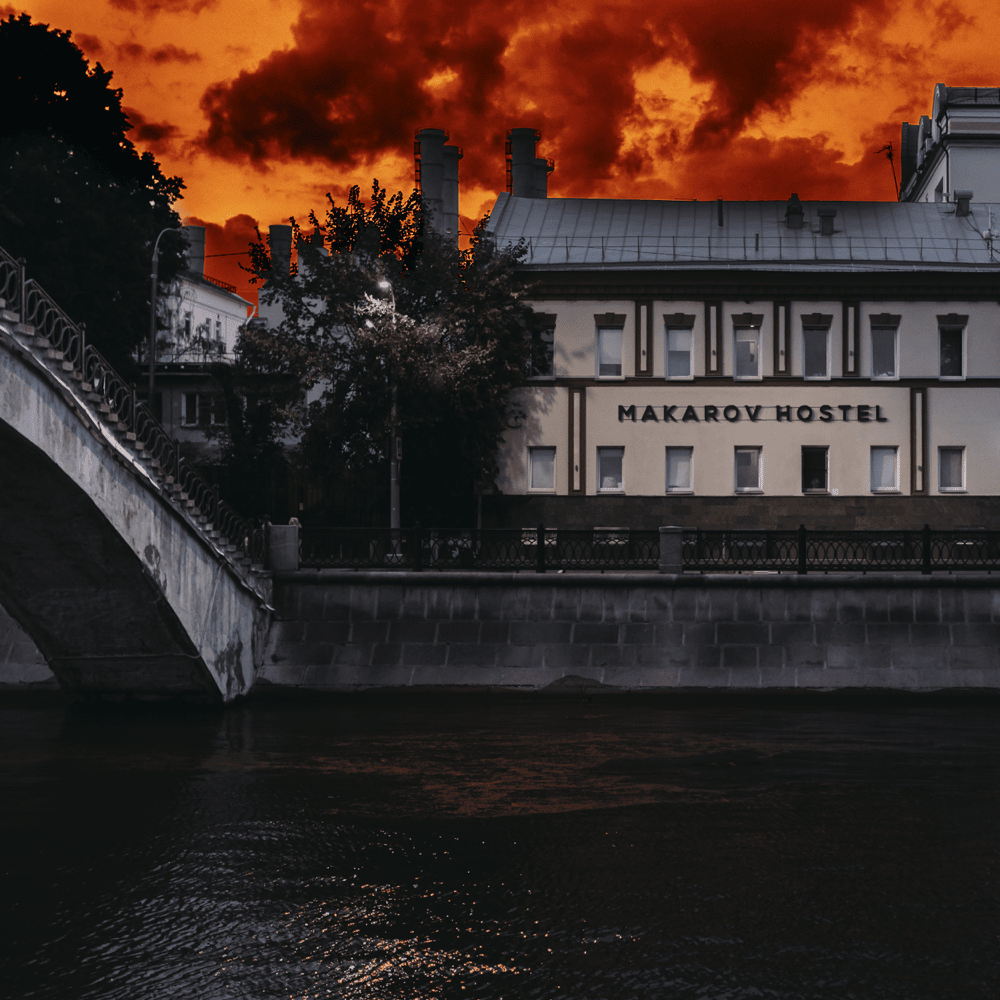
The central tension arises from this feeling of being under a spotlight, yet in a mundane, unglamorous location – "Макаров хостел – красотища какая" (Makarov hostel – what beauty). The juxtaposition of the intense observation with the uninspiring setting creates a palpable sense of unease and self-consciousness. The narrator is not a rockstar, not someone accustomed to such focused attention, and the environment offers no grandeur to match the perceived drama of being watched. This internal conflict highlights a struggle for self-definition when faced with external judgment in an ordinary, even slightly bleak, reality.
The most striking element is the surreal imagery of the "ползучий король-змей" (creeping king-snake) as a rival observer. This serpentine figure, positioned in the "дальнем-дальнем углу ринга" (far, far corner of the ring), adds a layer of primal, almost mythological threat to the social anxieties. Its gaze shifts between the narrator and the other figures, amplifying the feeling of being trapped in a bizarre, symbolic arena. The narrator's rejection of being compared to The Beatles, a symbol of immense fame and adoration, further emphasizes a desire to escape this perceived performance and the pressure it entails.
Ultimately, the lyrics resonate because they capture a very specific, relatable feeling of being out of place and over-analyzed. The mundane setting grounds the surreal elements, making the narrator's discomfort feel intensely real. The craft lies in the sharp contrasts – the intense gaze versus the drab hostel, the imagined rockstar status versus the reality of being scrutinized by a "king-snake" and social archetypes. It’s this blend of the ordinary and the bizarre, the internal anxiety projected onto external figures, that makes the narrator's plea for simple existence so compelling.
 View Artist