Song Meaning
The lyrics paint a picture of a love that has soured, leaving behind only a deep sadness, like a faded autumn romance. The narrator confesses to being "addicted" and trying to "escape my years," suggesting a desperate attempt to recapture lost youth or a past relationship. This initial vulnerability sets a tone of regret and longing, hinting at a relationship that was once vibrant but has since withered.
The core tension here is the narrator's overwhelming love clashing with profound disappointment and a sense of being unseen. The repeated "I hate you / From too much love, from too much / From too much weakness, from too much / From not seeing how much I gave up" reveals a complex emotional state. It's not a simple hatred, but a byproduct of immense affection and the pain of unreciprocated effort and sacrifice.
The most striking element is the juxtaposition of intense love with self-loathing and bitterness. The narrator declares "I hate you / From not seeing how beautiful I was," shifting the focus from what was given up to the loss of their own perceived beauty or value in the eyes of the other. This self-deprecation, born from a love that feels unacknowledged, is a powerful expression of emotional exhaustion and disillusionment.
Ultimately, these lyrics resonate because they articulate a specific kind of heartbreak: the slow erosion of self-worth within a relationship that demanded immense compromise. The narrator's final, weary declaration, "I have nothing left / But to tell you," implies a resigned acceptance of the end, a final, quiet acknowledgment of what remains after the grand romance has dissolved into "lies" and "sadness."
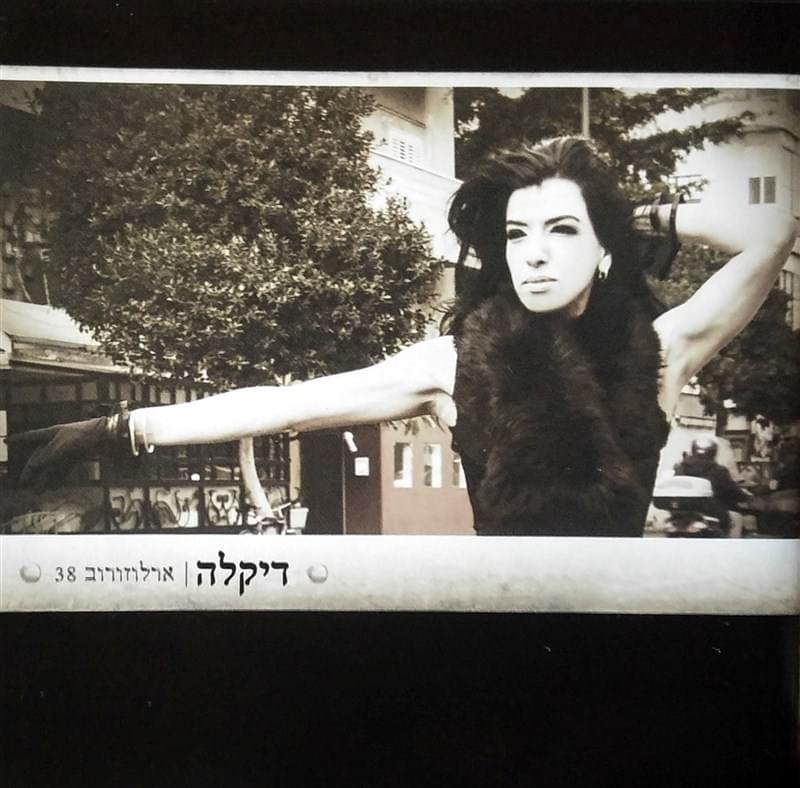
 View Artist