Song Meaning
The lyrics paint a vivid, almost overwhelming picture of a late-night party scene. It's a "Viernes noche" filled with "Sonidos fuertes" and "Colores vivos," where the clock has long passed midnight. The atmosphere is one of exhilarating "descontrol," a deliberate shedding of daily norms.
This isn't just a party; it's a prolonged escape. The repeated lines "La medianoche pasó hace horas / Las normas quedan en un cajón" underscore a conscious decision to abandon rules and embrace hedonism. There's a tension between the fleeting nature of the night and the desire to extend it indefinitely, pushing against the inevitable dawn.
The lyrics excel in their rapid-fire, almost cinematic catalog of sensory details and character types. We smell "humo envuelto en after shave y alcohol" and see "pupilas grandes." The cast of characters, from "Listillos tercos" to "Sirenas de secano," offers a slightly jaded, yet keenly observed, snapshot of the various players in this nocturnal drama, each "dejando clara su única intención." The "Sirenas de secano" is a particularly sharp image, suggesting an alluring but perhaps less mythical, more grounded form of seduction.
What makes these lyrics resonate is the shift from broad observation to a deeply personal plea. The narrator, initially a detached observer, reveals their own immersion: "Me gusta la noche / Me sienta bien." This isn't just a description; it's an embrace. The final command, "Avísame al amanecer," transforms the narrative into a powerful statement of intent, a desire to fully inhabit the night's chaos and only be pulled back to reality at the very last possible moment. It captures the intoxicating pull of temporary oblivion.
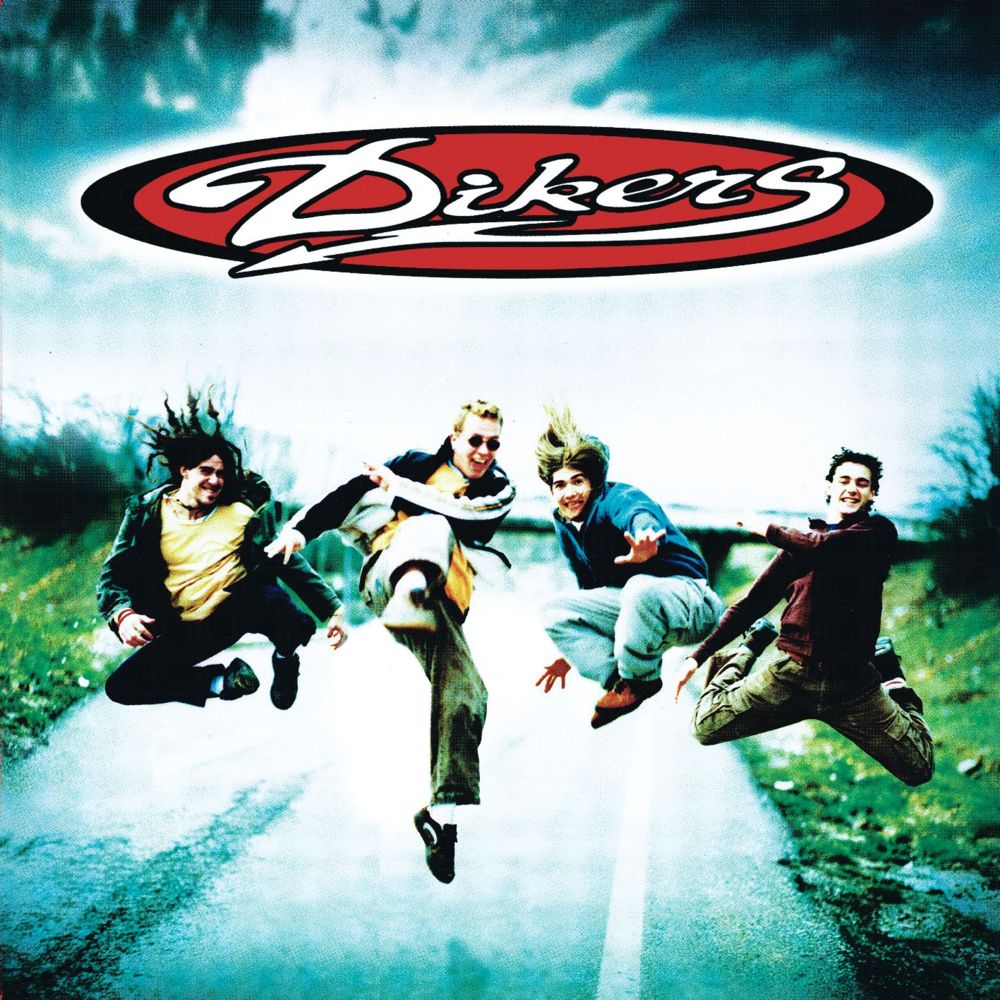
 View Artist