Song Meaning
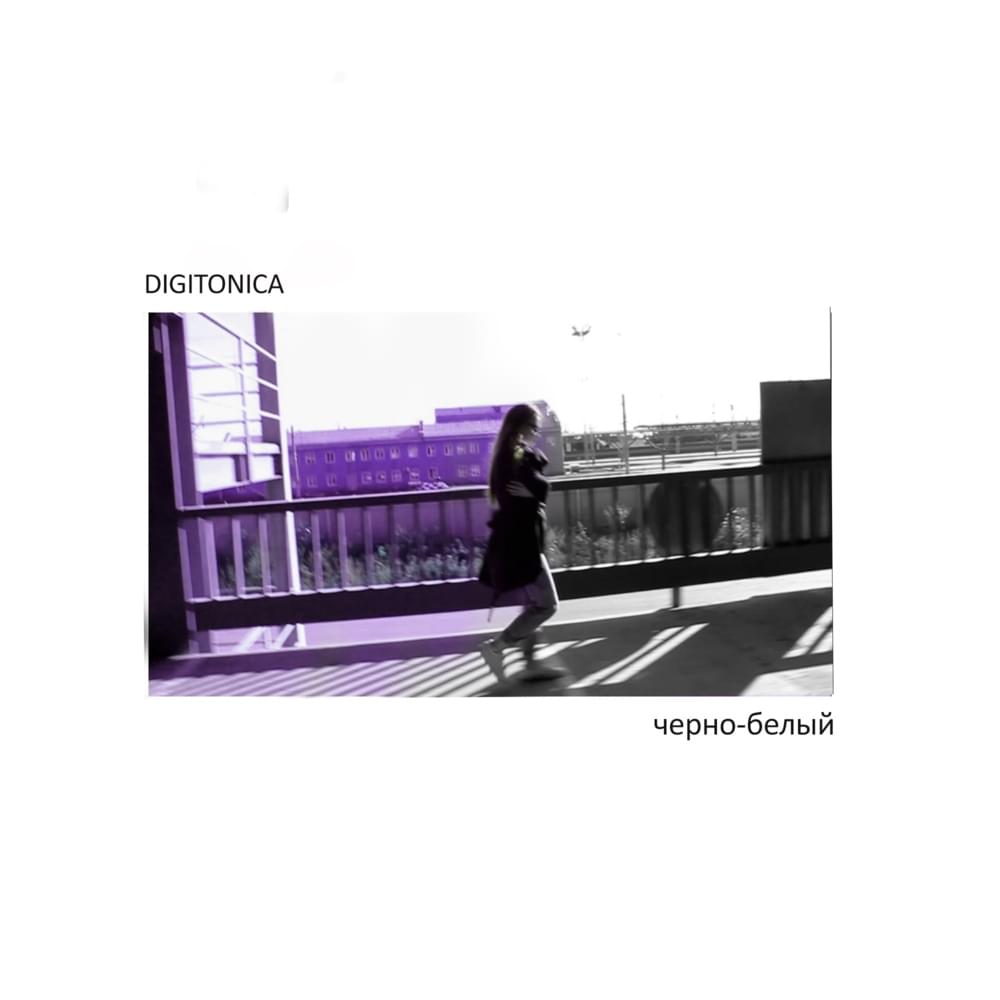
The lyrics paint a stark picture of internal conflict and a yearning for agency. The opening lines immediately establish a disorienting, almost dreamlike state, where vibrant "neon dreams" are deliberately muted into a "black and white" existence. This suggests a conscious suppression of intense emotion or experience, perhaps as a coping mechanism for a body that feels "in a state of war." The contrast between the internal world of dreams and the perceived state of the physical self is palpable.
The central tension revolves around a desperate plea for autonomy and space. The repeated refrain, "Give me my chance, just don't interfere," is a raw demand for an opportunity to act or exist without external obstruction. This isn't a request for help, but a forceful assertion of a need to navigate personal struggles independently. The narrator seems to be fighting an internal battle, and the only support they ask for is the absence of interference.
The imagery of "flying in closed rooms" and "dropping monochrome space" is particularly striking. It evokes a sense of trapped potential, where imagination or internal journeys are confined to a limited, desaturated reality. The phrase "you see, simply and immodestly" hints at a performance or a display of this internal state, perhaps to an observer who doesn't fully grasp the underlying struggle. The desire to "not wait for anyone" reinforces the theme of self-reliance and the rejection of external validation or dependence.
Ultimately, the effectiveness of these lyrics lies in their directness and the potent, albeit bleak, imagery. The simple, repetitive chorus acts as an anchor, hammering home the core desire for freedom from external constraints. The juxtaposition of vivid sensory input (neon) with its negation (black and white) creates an immediate emotional resonance, capturing the feeling of being alive yet simultaneously dulled by internal strife.
 View Artist