Song Meaning
The lyrics paint a stark picture of the current state of MCs, suggesting they've become "barjeots" – a French slang term implying craziness or being out of touch. This isn't just about eccentricity; it's tied directly to their profession. The core idea is that rhymes now serve a transactional purpose, settling scores and making money, rather than conveying genuine emotion or artistry. The repeated phrase "la rime paye, les comptes se règles au micro" hammers this point home, highlighting a shift from passion to profit and conflict.
The dominant tension arises from the perceived loss of "amour" – love or genuine feeling – within the rap community. The narrator observes a world where MCs are driven by external validation and financial gain, indicated by the microphoned settling of accounts. This commercialization and conflict-driven approach directly contrasts with an implied ideal of love and authentic expression, creating a sense of disillusionment.
The most striking aspect of the craft is the relentless repetition of the central refrain. This loop isn't just for emphasis; it creates a feeling of being trapped in this cynical reality. The phrase "De nos jours les MC's sont barjeots" acts like a recurring, almost maddening, observation, underscoring the narrator's conviction about this negative trend. The final line, "Il y a plus d'amour de nos jours," serves as a somber conclusion, directly linking the MCs' "barjeots" behavior to a broader societal or artistic deficit.
This lyrical approach is effective because it uses blunt, almost dismissive language to convey a deep sense of disappointment. The focus on the transactional nature of rhymes and the settling of scores via the microphone creates a vivid, if bleak, image of modern hip-hop. The repetition reinforces the feeling of inescapable decline, making the critique feel both personal and observational, resonating with anyone who feels a disconnect between art and its commercialization.
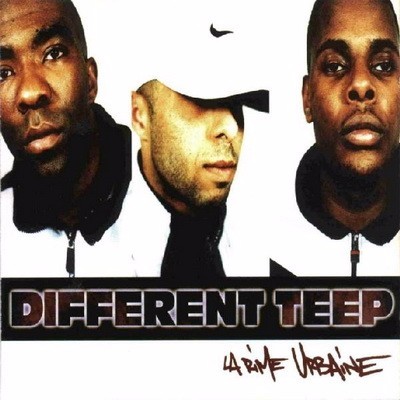
 View Artist