Song Meaning
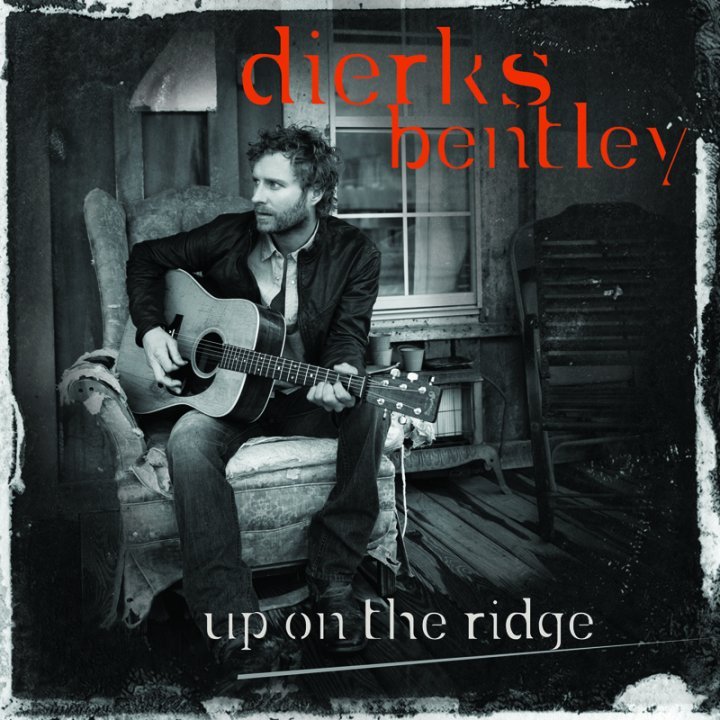
Dierks Bentley's rendition of "Pride (In The Name Of Love)" isn't just a cover; it's a somber reflection on the cost of conviction. U2's original, a stadium anthem with soaring vocals, is here reimagined through Bentley's country lens, stripping away some of the bombast to expose the song's raw emotional core. The song meaning, buried beneath the anthemic quality of the original, surfaces here with a haunting clarity. It’s no longer just a tribute; it’s a reckoning. Bentley’s version becomes a meditation on sacrifice, the verses sketching out stark images of struggle and betrayal. "One man caught on a barbed wire fence, one man betrayed with a kiss" – these aren't specific historical events, but rather archetypes of human suffering endured in pursuit of something greater.
The genius lies in the layering. The repeated invocation, "In the name of love, what more in the name of love," echoes like a desperate plea. Is it a genuine question, a challenge to the forces that demand such sacrifice? Or is it a weary acceptance of the price that must be paid? The shift in tone, compared to U2's version, forces this question into the foreground. It’s less a celebration of heroism and more an acknowledgement of the brutal realities that often accompany it. The lyrics themselves are deceptively simple, their power residing in their universality. The "early morning, April 4" reference to Martin Luther King Jr.'s assassination anchors the song in a specific historical tragedy, but the broader themes of injustice and resistance resonate far beyond that single event.
Ultimately, Bentley’s interpretation highlights the song's duality. It’s both a lament for the fallen and a testament to the enduring power of the human spirit. The line "They could not take your pride" isn't a triumphant boast, but a quiet recognition of the dignity that remains even in the face of death. In a world saturated with empty gestures and hollow pronouncements, "Pride (In The Name Of Love)" serves as a potent reminder that true love demands more than just words; it often requires sacrifice, resilience, and an unwavering commitment to one's principles. Bentley's version doesn't just celebrate that; it mourns the price so often paid.