Song Meaning
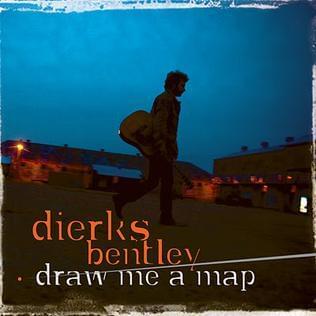
Dierks Bentley's "Draw Me A Map" isn't just another country lament; it's a raw, exposed nerve of vulnerability. The song meaning hinges on the universal fear of losing connection, of drifting so far from intimacy that the path back seems impossible to navigate. Bentley bypasses bravado, instead offering a plea, a near-desperate acknowledgement of being utterly lost without the guiding light of a loved one. The opening lines, "Staring deep into your eyes / Searching for answers to questions I can't find," establish a dynamic of fractured communication, the silence between two people speaking volumes. It's the kind of disorientation that comes not from malice, but from the slow erosion of understanding.
The repeated chorus, the titular request to "Draw me a map that leads me back to you," underscores the central metaphor. The map isn't literal; it represents the emotional roadmap needed to reignite a fading flame. The singer isn't asking for geographic directions, but for insight, for a clue to decipher where the relationship went off course. The lyrics highlight a deep sense of personal failure, the inability to independently find the way back. The image of a "canyon I can't get around or cross" vividly portrays the seemingly insurmountable obstacle separating the two lovers. It's a stark contrast to the open road typically celebrated in country music, replaced here by a chasm of emotional distance.
Bentley doubles down on the emotional stakes in the third verse, declaring, "You're my destiny and destination." This isn't a casual affection; it's the core of the singer's being. The desperation isn't just about salvaging a relationship; it's about reclaiming a sense of self. The plea isn't simply "I want you," but the more profound "I need you to help me find myself again." The song's brilliance lies in its unflinching honesty, in its willingness to expose the fragile, human need for connection and the terrifying prospect of being irretrievably lost. It's a disarmingly direct exploration of dependency, framed not as weakness, but as the very essence of love's magnetic pull.
 View Artist