Song Meaning
The lyrics paint a picture of a strained relationship where one person feels a profound disconnect, even as the other offers explanations that seem simple to them. There's a sense of waiting and perhaps unspoken expectations, with the narrator observing delays and internalizing blame. The line "Yo se que soy yo" suggests a self-awareness, possibly a recognition of their own role or feelings in the dynamic, but it's tinged with a quiet resignation.
The central tension arises from a fundamental incompatibility in desire and presence. The narrator acknowledges their effort to be "original" and their unspoken questions about the other's whereabouts, implying a desire for deeper connection. However, they perceive an "intensa tentación" in the other person that operates independently of them, creating a feeling of being excluded from a vital part of their partner's inner life. This leads to the poignant observation that their encounters are merely "desencuentro" – a missed connection.
The chorus powerfully captures this internal conflict. The narrator rejects the idea of passively accepting a situation that brings "dolor" (pain), contrasting the external brightness of the sun with the internal darkness they wish to avoid. The repeated phrases "Como decir que sí / Como decir que no" highlight the agonizing indecision and the difficulty of navigating a relationship where genuine affirmation feels impossible. They are unwilling to "vea todo sin mirar," demanding acknowledgment of the pain rather than a blind acceptance.
Ultimately, the lyrics convey a deep sense of unfulfilled passion and emotional distance. The narrator invites their partner to share dreams, but the partner's mind remains elsewhere, "en viaje." This lack of full engagement, this refusal to "entregas" (surrender), prevents any "pasión" from being nurtured. The plea "Ya nunca me pidas que te aleje / De mi por favor" underscores a desperate desire for the partner to choose presence and commitment, to stop pushing them away.
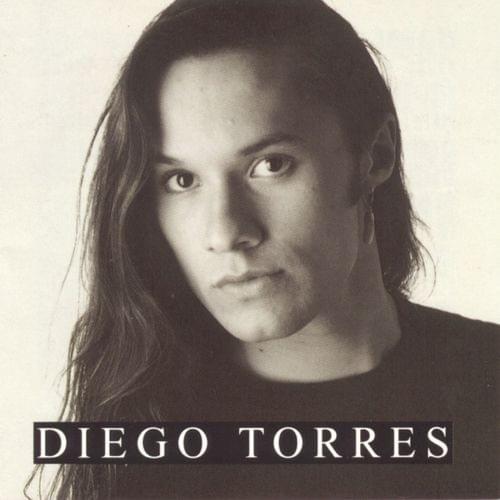
 View Artist