Song Meaning
The lyrics paint a picture of a narrator caught in a state of intense longing and hypothetical scenarios. The opening lines present a series of "if only" statements, questioning choices, past actions, and the nature of love and loss. There's a palpable sense of regret and a desperate desire to undo or alter circumstances, particularly concerning a past neglect of memory and unreciprocated affection. The narrator seems to be weighing abstract concepts like vanity and eternal love against the harsh reality of their current emotional state, even questioning if their personal hell is unfolding right here.
The central tension revolves around a profound yearning for a specific person and the imagined possibilities of connection. The narrator poses a cascade of conditional questions about who would ascend and who would descend, highlighting a desperate hope for reciprocity or a dramatic shift in their dynamic. This imagined interaction is framed by a desire for salvation and a willingness to serve, indicated by the offer to be named "escudero" (squire). The contrast between the narrator's intense focus on this singular, idealized love and the fleeting "amores de estación" (seasonal loves) of a neighbor underscores the depth of their devotion.
A striking image is the "escalera de color primavera otoño mes de abril" (staircase of spring autumn month of April). This metaphor suggests a staircase that is perpetually in transition, never settling into a single season, much like the narrator's own emotional state. It’s a staircase that doesn't offer a clear path or resolution, but rather a continuous cycle of hope and despair. The plea to "No alimentes corazón duelos entre suelo y el fin" (Don't feed the heart duels between ground and end) further emphasizes this feeling of being trapped in an unresolved conflict, with no clear escape or finality.
Ultimately, the lyrics resonate because they capture the universal human experience of dwelling on "what ifs" when love is involved. The narrator's willingness to "desarmarse por su amor" (disarm themselves for their love) and their patient, almost desperate waiting, "la espero en cada esquina" (I wait for her on every corner), grounds the abstract hypotheticals in a raw, relatable vulnerability. The meticulous construction of these conditional desires, juxtaposed with the simple, almost childlike imagery of a colorful staircase, creates a powerful emotional landscape of longing and uncertainty.
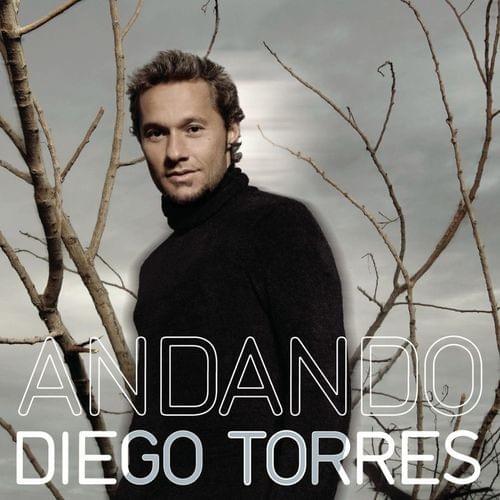
 View Artist