Song Meaning
The lyrics paint a picture of enduring love, starting with a celestial vision of an angel witnessing a conversation about love, which then illuminates a beloved face and reflects color in the rain. This ethereal beginning shifts to a grounded scene in a bar, where the narrator observes a couple kissing, reigniting a sense of hope and the captivating magic of reunion. The imagery connects the spiritual and the mundane, suggesting love's presence in both divine observation and everyday moments.
The central tension lies in the passage of time and life's changes versus the persistent strength of a past love. The narrator acknowledges that "El tiempo ha pasado la vida nos cambio" (Time has passed, life has changed us), yet insists "yo siento que nunca acaba el cuento" (I feel the story never ends) and "aun es fuerte el sentimiento" (the feeling is still strong). This contrast between external transformation and internal emotional continuity is the core of the song's message.
A striking craft element is the recurring motif of light and reflection, from the angel's illuminated face and the rain reflecting color, to the moon shining and the idea of a new dawn. This imagery reinforces the idea that the love, though perhaps in the past, continues to cast a bright, illuminating glow. The phrase "la misma musica de ayer" (the same music from yesterday) further emphasizes this persistent, unchanging essence of their connection.
This song resonates because it captures the profound feeling that certain loves, despite life's inevitable shifts, remain a powerful, living force. The narrator finds solace and inspiration in "los recuerdos" (the memories) of this love, suggesting that its impact is not just in the past but actively shapes the present and future, allowing for a renewed sense of hope and creativity, symbolized by returning to the piano to write a song about the moon that once united them.
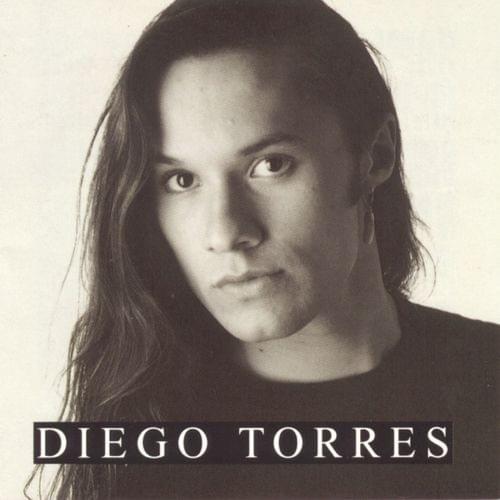
 View Artist