Song Meaning
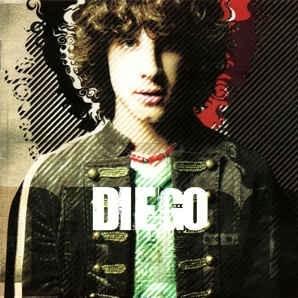
Diego Boneta's "Responde" isn't just another plaintive ballad; it's a raw, exposed nerve of romantic desperation. The song meaning hinges on that single, repeated plea: "Responde, ¿me quieres?" (Answer me, do you love me?). It's a question hurled into the void, weighted with the anxiety of unanswered affection. Boneta captures the torment of vulnerability, laying bare the inherent risk of offering your "amor y mi corazón" only to face the agonizing silence of uncertainty. The lyrics paint a picture of a lover paralyzed by fear, unable to reciprocate the depth of feeling offered. This isn't a simple tale of unrequited love; it's a psychological portrait of someone struggling to accept a love that feels too intense, perhaps unfamiliar.
The repetition of "No huyas mas de mi amor" (Don't run away from my love) underscores the central conflict: the object of affection is actively retreating. This flight isn't presented as malice, but as a defense mechanism. Boneta suggests a deeper wound, a past where "jamás te han dado tanto amor" (they have never given you so much love). This hints at a history of emotional deprivation, leaving the recipient ill-equipped to handle genuine intimacy. The lyrics imply that the protagonist understands this, adding another layer of complexity. It's not just about wanting to be loved; it's about recognizing the other person's internal struggle to accept love.
Ultimately, "Responde" explores the power dynamics inherent in love and fear. The singer is caught in a painful paradox: needing a response while simultaneously understanding the reasons for the silence. The plea to "sentir" (feel) suggests that logic and reason have failed. The answer, if there is one, lies beyond the realm of conscious thought. Boneta taps into the universal fear of rejection, but also the frustrating compassion for someone who cannot – or will not – fully embrace the potential of a shared connection. The song's lingering question isn't just about romantic fulfillment, but about the possibility of overcoming deeply ingrained emotional barriers.
 View Artist