Song Meaning
The lyrics open with a striking image: "Verirrt im eigenen Treppenhaus" (Lost in my own stairwell), immediately establishing a sense of internal disorientation amidst a familiar setting. As the "erste Morgenbrise" arrives, so does an unwelcome message, met with a weary "Bloß nicht schon wieder diese." It's a snapshot of dread, a recurring cycle of bad news.
This immediate frustration quickly escalates into outright defiance. Facing financial ruin – "Ich bin bankrott" – the narrator retorts with a challenging "Na und? Und ihr?" This isn't just about money; it's a refusal to be judged or to play by others' rules. The repeated declaration, "Ich esse eure Suppe nicht," powerfully underscores a deep-seated rejection of any assistance or conditions that might come with it, suggesting a profound unwillingness to compromise personal integrity or autonomy.
The defiance takes on a self-destructive edge, as the narrator proclaims a preference to "mache ich haufenweise Miese / Und fahr die neugekaufte Karre auf die Wiese." This vivid imagery of deliberately wrecking a new possession highlights a nihilistic rejection of conventional value and success. It's a defiant act of self-sabotage, a refusal to participate in a system that seems rigged against them, where "Die lachen sich doch tot, wenn sich so'n Typ wie ich beschwert."
Ultimately, the lyrics paint a picture of profound isolation and a desperate yearning for escape. The repeated "Allein, allein, allein, machen sie dich ein" emphasizes the crushing weight of being alone against an unseen, powerful "they." The sudden, almost jarring shift to English at the very end – "I wanna take a ride on my silver machine" – feels like a raw, unmediated cry for liberation, a fantasy of breaking free from a suffocating reality that German words can no longer contain.
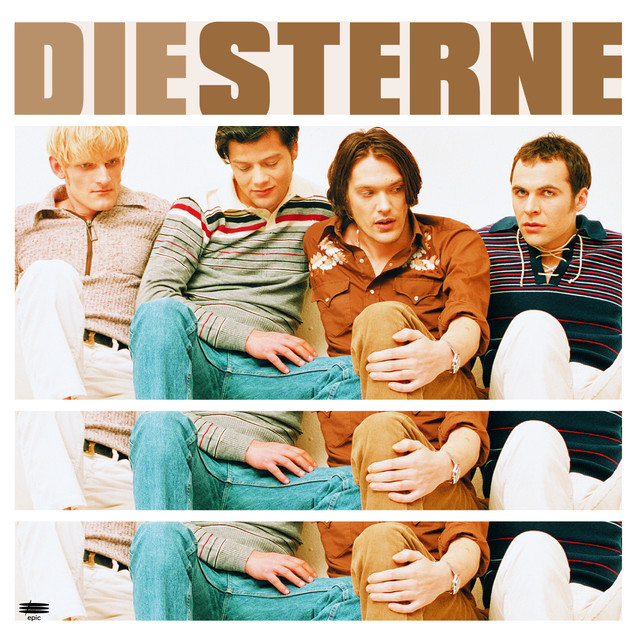
 View Artist