Song Meaning
The lyrics paint a bleak picture of a world overwhelmed by conflict and societal breakdown. The narrator expresses confusion and despair over human violence, questioning its necessity amidst widespread suffering. This initial bewilderment quickly gives way to a feeling of pervasive corruption and decline, as evidenced by the repeated imagery of "dirt and decay" and "poison air."
The central tension arises from the narrator's inability to comprehend the senselessness of human conflict against the backdrop of visible societal decay. The phrase "The news brings more" highlights a feedback loop where external information exacerbates the feeling of hopelessness, making the "scummy, filthy" reality seem inescapable. This is amplified by the stark observation of vulnerable individuals "living on the street," their worn faces a testament to the world's troubles.
The most striking aspect of the writing is its direct, almost blunt, cataloging of misery. There's no elaborate metaphor, just a raw presentation of what the narrator sees and hears. The repetition of "It's everywhere, It's over" and the poignant shift to "We're nowhere" underscores a profound sense of being lost and abandoned within this decaying world. The simple, declarative sentences create an urgent, almost breathless feeling of overwhelm.
This directness is precisely what makes the lyrics hit so hard. They bypass complex poetic devices to deliver an unvarnished emotional truth about feeling powerless in the face of overwhelming negative forces. The narrator's confusion and the stark imagery combine to create a visceral sense of dread, leaving the listener with the unsettling feeling that the world described is indeed "over."
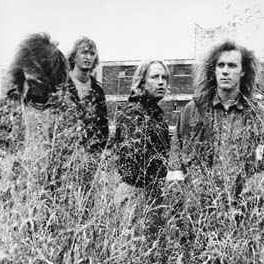
 View Artist