Song Meaning
The lyrics paint a picture of a narrator's girlfriend who has undergone significant transformations, moving from radical right-wing extremism to a life of petty crime, and finally to a more settled, albeit still slightly mischievous, existence. The opening verse suggests a dramatic ideological shift, moving from "rechtsradikal" to being guided by "Liebe" (love), implying that even deeply entrenched beliefs can be overcome. The narrator frames this change as a process requiring "Geduld" (patience) and that "Niemand wird als Faschist geboren" (no one is born a fascist), suggesting a belief in the possibility of redemption and the power of external influence.
The central tension arises from the narrator's role in this "resozialisiert" (resocialized) girlfriend's life. While love is presented as the ultimate solution in the chorus – "Mit Liebe wird am Ende alles gut" (With love, everything will be fine in the end) – the specifics of her past and present behavior create a darkly humorous contrast. She moved from political extremism to incarceration for theft, and even after being "resozialisiert," she "beklaut sie nur noch mich ab und zu" (only steals from me now and then), highlighting a persistent, albeit domesticated, rebellious streak.
The most striking craft element is the juxtaposition of serious societal issues with mundane, almost domestic, observations. The transition from "rechtsradikal" to a "Fenster-Tattoo" (window tattoo) is a stark, almost absurd, visual that grounds the abstract political transformation in a concrete, albeit minor, detail. Similarly, the shift from serious crime to stealing only from the narrator softens the edge of her past actions, making the overall narrative more about personal quirks than profound societal commentary. The repeated chorus, with slight variations in the required item for love ("Mut" - courage, "ruhig Blut" - calm blood, "einen Hut" - a hat), reinforces the idea that love, in its various forms and accompaniments, is the constant force for positive change.
These lyrics are effective because they subvert expectations with a blend of sincerity and absurdity. The narrator's unwavering affection and belief in love's redemptive power, despite the girlfriend's wild past and present minor transgressions, creates a unique emotional resonance. It suggests that love isn't about perfection but about acceptance and the ongoing, often humorous, process of change. The final verse, revealing the girlfriend's former name was "Bernd" and her subsequent "Coming-out" before becoming his "Braut" (bride), adds another layer of transformation, further emphasizing the theme of identity and change facilitated by love.
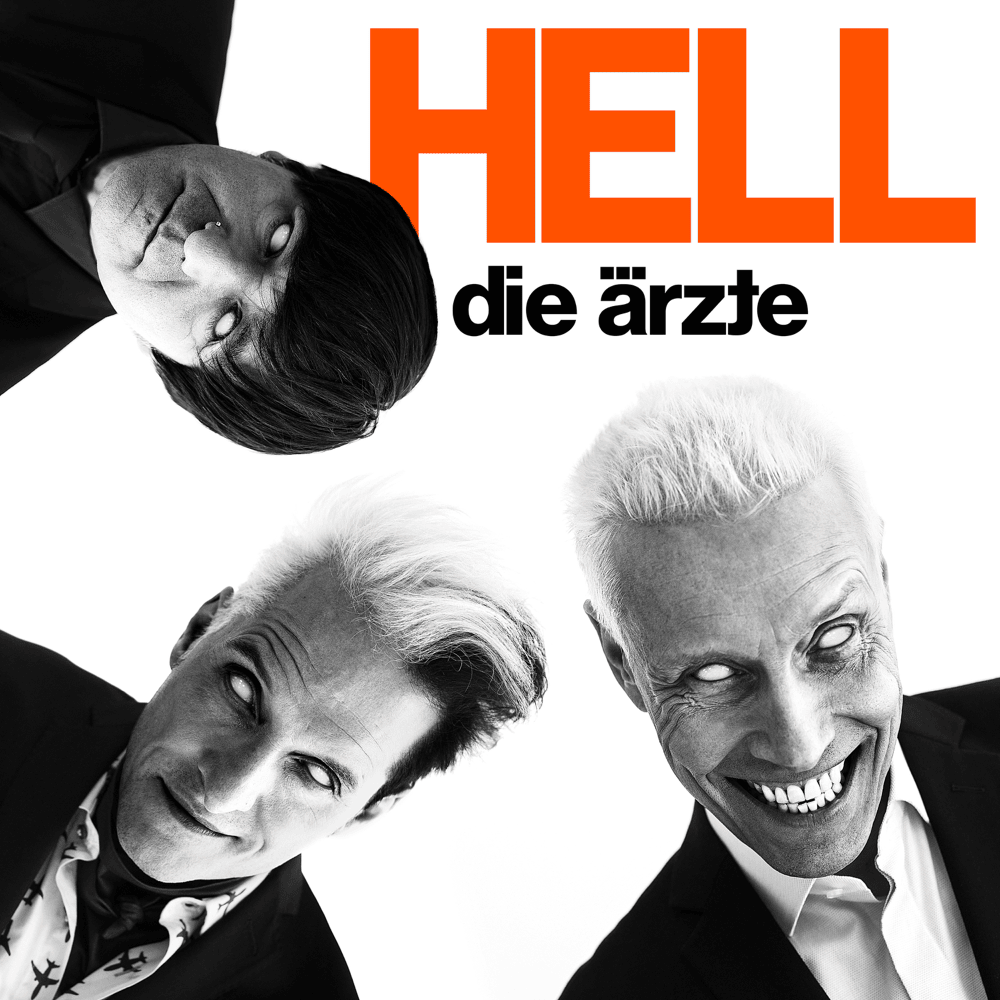
 View Artist