Song Meaning
Dido's "My Life" isn't a polite request for autonomy; it's a declaration of independence carved from weariness. The track, stripped down to its core essence, pulses with a quiet defiance aimed at some unnamed, but clearly overbearing, force. The opening lines, "What I choose to do / Is of no concern to you / And your friends," immediately establish the boundary. This isn't about seeking permission; it's about asserting a pre-existing right to self-determination. It's the sound of someone reclaiming their inner landscape after a long period of external pressure. The psychology at play here is fascinating – the song acts as both a shield and a sword, deflecting unwanted interference while simultaneously carving out a space for authentic self-expression.
The verses hint at a past where Dido may have felt obliged to explain or justify her choices. "Where I lay my hat / May not be my home / But I will last on my own" suggests a nomadic spirit, perhaps misunderstood or criticized by those around her. The repeated chorus, "'Cause it's me, and my life / It's my life," isn't just a catchy hook; it's a mantra, a reaffirmation of ownership. The subtle shift in tone from the verses to the chorus reveals a growing sense of empowerment. She's not just stating a fact; she's internalizing it. The lines “And I'm tired and bored / Of waiting for you / And all those things you never do” speaks to a deeper frustration; the singer is exhausted from waiting on someone else to act, to change, or perhaps to simply understand.
The brilliance of "My Life" lies in its simplicity. There are no grand pronouncements or elaborate metaphors, just a raw, unfiltered expression of personal sovereignty. In a world that often demands conformity, Dido's song is a reminder that the most radical act is often simply choosing to live life on one's own terms. This song meaning highlights how the personal becomes political. It’s about drawing a line in the sand and saying, “This far, no further.” It’s a sentiment that resonates deeply in a culture where individuality is often both celebrated and suppressed. The song exists as a testament to the power of self-reliance.
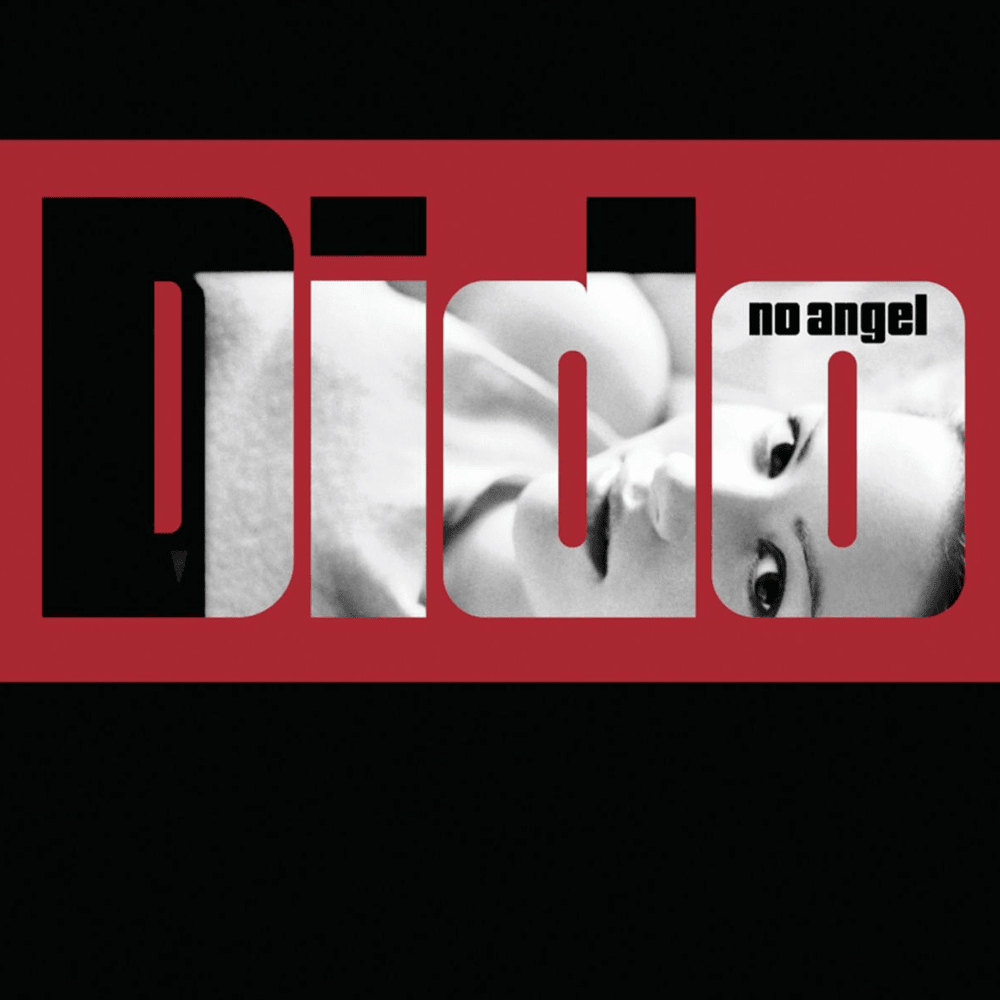
 View Artist