Song Meaning
Dido's "Hurry Home (Demo)" is a masterclass in understated longing, a postcard from the quieter corners of devotion. The opening lines, confessing to celebratory drinking and thoughts of 'my baby,' immediately establishes a narrative of pensive anticipation. But the song isn't just about missing someone; it's about the internal architecture one builds to cope with absence. There's a subtle melancholy woven into the admission of loneliness and sleeping in places where 'ghosts don't find their home,' suggesting a personal space haunted by the echo of someone missing. These lines hint at a deeper psychological landscape, one where the narrator grapples with the void left by her absent lover. The repeated plea, 'Hurry home, hurry home to me,' isn't a demand, but a vulnerable invitation. The genius of Dido's songwriting lies in the juxtaposition of vulnerability and strength.
The lyrics reveal a protagonist self-soothing through small indulgences—drinking, smoking, 'doing nothing'—activities framed as coping mechanisms rather than vices. The line 'It's amazing that I'm not crazy' is a stark acknowledgement of the emotional toll of waiting, a quiet battle waged against despair. There's a conscious effort to reframe the situation positively, evidenced in the pre-chorus lines: 'Spend my time thinking how lucky I am.' This isn't blind optimism, but a deliberate act of mental reframing, a technique often employed to combat negative thought patterns. The song's meaning is further enriched by the understanding that love isn't always about grand gestures; sometimes, it's about finding the strength to simply endure the distance.
Ultimately, "Hurry Home (Demo)" is a portrait of resilience painted with delicate strokes. The song's charm is in its simplicity. The directness of the chorus – "'Cos I love everything about you / And have I told you how wonderful I think you are?" – contrasts sharply with the subtle complexities of the verses. This contrast reinforces the idea that even in the face of loneliness and longing, a deep appreciation for the other person remains. Dido's raw, unfiltered delivery amplifies the song's emotional core, transforming a simple love song into a poignant meditation on absence, longing, and the quiet strength of enduring love.
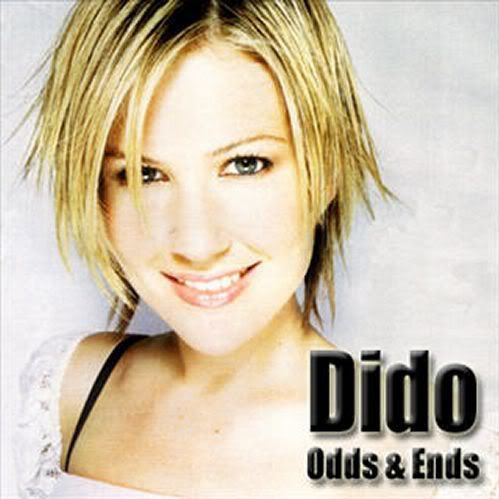
 View Artist