Song Meaning
The lyrics paint a picture of someone facing the end of their life with a strange sense of calm and acceptance. There's a feeling of having arrived, of being "here at last," but also a recognition of slowing down. The initial imagery of life spinning "like a wheel" and the act of kneeling "for you life" suggests a past of fervent devotion or perhaps a life lived in service, but the present is about stillness and observation. The narrator seems to have moved past the anxieties of mortality, stating, "Eventually it all ends," with a tone that isn't despairing but rather matter-of-fact.
The central tension lies in the desire to not be the "last" to experience something or to not "go too fast," juxtaposed with the acknowledgment that life is finite and getting old "takes life." This isn't a plea for more time, but a negotiation with the pace of existence. The repeated phrase "All good as it is / Won't dwell on it" acts as a mantra, a conscious effort to remain present and avoid the regret or fear that could accompany such a profound realization. It’s a quiet surrender, not to defeat, but to the natural order of things.
The most striking element is the repetition of "For U life I kneel," especially after the initial lines about life ending. This repetition, particularly the sheer number of times it's stated, imbues the phrase with immense weight. It could signify a lifelong dedication, a final act of reverence, or even a plea that echoes through the narrator's final moments. This intense focus on a singular, repeated devotion anchors the abstract concepts of aging and mortality in a deeply personal, almost ritualistic act.
Ultimately, the effectiveness of these lyrics stems from their stark simplicity and the quiet resignation they convey. The narrator isn't railing against fate; they are observing it with a profound, almost detached peace. The focus shifts from the frantic spinning of life to a gentle, seated observation, finding contentment not in continued striving, but in the simple act of being present until the end. The lyrics suggest a hard-won peace, a final state of grace found in acceptance.
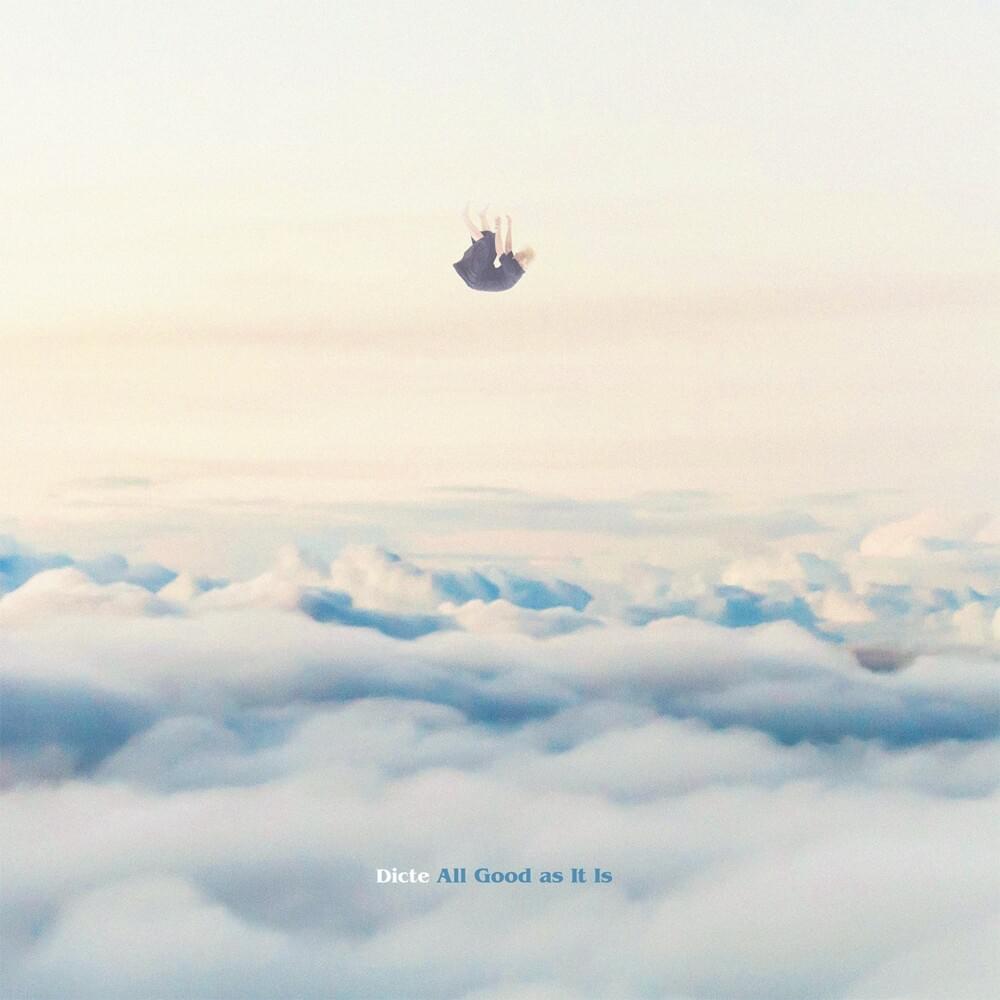
 View Artist