Song Meaning
The lyrics paint a bleak picture of societal failure and impending doom, questioning the wisdom of leaders and the futility of conflict. There's a profound sense of helplessness as "no guild can say why rulers always fail." The dominant tone is one of resignation and despair, amplified by the repeated, stark declaration: "It is too late." This refrain underscores a point of no return, where efforts to "give you strength," "defend ourselves," "face the fear," or "enslave your enemy" are rendered meaningless.
The central tension arises from the contrast between the ongoing suffering and the apparent inability to change course. The "good mother" trembles, sensing disaster, while "voices outside" speak of lost blessings. This highlights a collective anxiety and a fading hope, suggesting that the "fruits of your anger" have led to an irreversible state of crisis. The repeated "Revolution" acts as a stark, almost ironic counterpoint to the overwhelming sense of "too late," questioning if any true change is even possible.
The most striking element is the relentless repetition of "Es ist zu spät" (It is too late), hammered home with variations that detail specific lost opportunities for action and resistance. This creates a suffocating atmosphere, emphasizing the finality of the situation. The questions posed at the end – "Will a person raise a hand?" "Will someone scream?" – are not calls to action but rather desperate inquiries into whether any spark of defiance remains before freedom is stolen, further deepening the sense of inevitable loss.
These lyrics are effective because they tap into a primal fear of helplessness and the irreversible consequences of societal decay and conflict. The stark, declarative language and the overwhelming repetition of "too late" create an emotional weight that is hard to shake. The final, unanswered questions leave the listener with a chilling sense of finality, making the critique of leadership and the lament for lost freedom feel acutely personal and devastating.
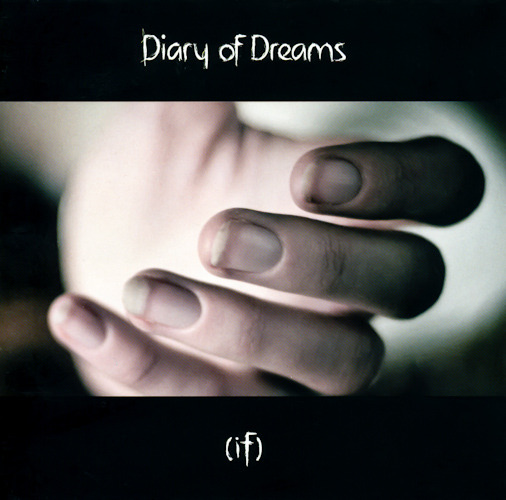
 View Artist