Song Meaning
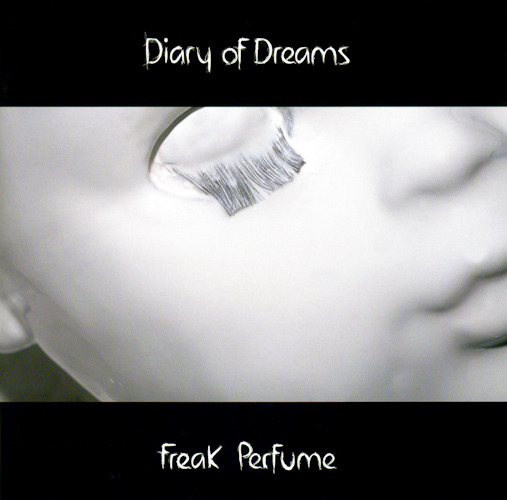
The lyrics paint a visceral picture of physical torment and psychological violation. The opening lines immediately establish a scene of involuntary medical or ritualistic torture, with "plastic needles in my skin" and the blunt admission, "Don't ask me what they're for." The narrator is physically restrained, "tied me to the bed to mock," and forced to witness their own suffering, "My eyelids kept wide open." This isn't just about physical pain; it's about a deliberate, invasive assault on their senses and their very being.
The central tension lies in the narrator's desperate attempt to maintain mental autonomy against overwhelming physical violation. While their body is subjected to "pain and shock," "liquid in my eyes," and a chilling numbness, they assert a defiant internal boundary: "Can never touch me mentally." This fragile defense, however, is constantly threatened by the inescapable nature of the experience and the lingering presence of the tormentor, who remains "in my head." The repetition of "the curse" acts as a refrain, a label for this inescapable, agonizing reality.
The most striking aspect of the craft is the stark contrast between the external physical assault and the narrator's internal plea for mental sanctuary. The lyrics describe a body that is "bruised," "numb," and stripped bare, yet the mind insists it remains untouched. This internal struggle is amplified by the chilling detachment of the tormentor, whose "giggles reach me from next door," highlighting the senselessness and cruelty of the act. The narrator's questioning, "I wonder what is this all for?", underscores the profound disorientation and the loss of agency.
Ultimately, these lyrics resonate because they capture a profound sense of helplessness coupled with a fierce, albeit strained, will to survive internally. The writing forces the listener to confront the horror of a situation where the body is utterly violated, and the mind becomes the last, precarious refuge. The ambiguity of the situation—the "curse" itself—makes the experience all the more unsettling, suggesting a deep-seated trauma or an inescapable fate that transcends simple physical pain.
 View Artist