Song Meaning
The lyrics present a narrator grappling with a profound sense of agency, bordering on omnipotence, while simultaneously experiencing intense internal turmoil. The opening questions about "penetration" and "mental attitude" hint at a struggle with external forces or internal states that feel beyond their control, yet this is immediately juxtaposed with the declaration, "It's me just playing God." This creates a central tension: the narrator feels both empowered to dictate reality and yet questions the very nature of their own experience and control.
The narrator's assertion of control is stark, stating "It's me who's making rules here / I cannot come undone." This self-proclaimed authority is then directed outward, demanding compensation for "pain and all my hate" and questioning the other's willingness to "compromise." The lyrics suggest a deep-seated grievance, a feeling of being wronged that fuels this god-like complex. The imagery of "faces / That stare at you at night" and "travelling into your sleep" paints a picture of psychological intrusion, a manifestation of the narrator's perceived power to haunt and disturb.
The most striking aspect of the writing is the narrator's ability to frame destructive actions as "pre-salvation" or "instant motivation," twisting negative experiences into justifications for their power. The repeated use of words beginning with 'P' – "persecute," "perplex," "poisoned," "predictable," "permissible," "patriotic," "predominant," "penetration" – creates a relentless, almost suffocating rhythm. This linguistic choice underscores the narrator's perceived control over language and narrative, even as it reveals a mind trapped in a cycle of aggression and self-justification.
Ultimately, these lyrics resonate because they capture a dark, complex psychological state where immense power is wielded by someone deeply wounded. The narrator's insistence on their own infallibility, while simultaneously revealing their internal suffering and aggressive tendencies, creates a compelling portrait of a mind that has lost its grip on conventional morality, believing itself to be above consequence. The final challenge, "If you have (the) guts, resist my trace," leaves the listener with a chilling sense of the narrator's unwavering, destructive self-belief.
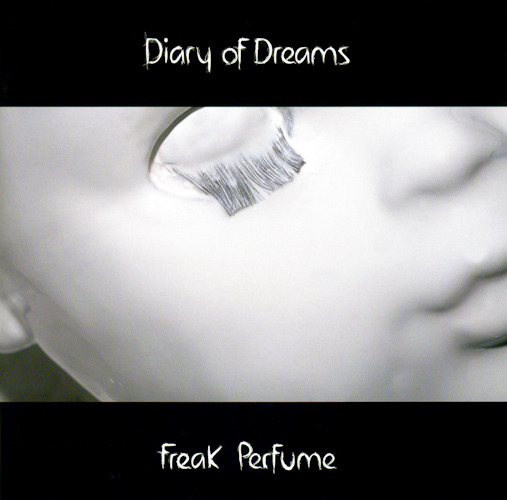
 View Artist