Song Meaning
The lyrics paint a stark picture of isolation and the desperate measures people take to cope, suggesting a cycle of despair. The opening lines, "Wenn du einsam bist, bist du bei mir" (When you are lonely, you are with me), immediately establish a sense of shared solitude, but this is quickly contrasted with the lifeless faces and distant lights of others who seem to possess a singular life. The scene shifts to a communal drowning of sorrows, where people drink to forget, their gazes becoming vacant and their silence heavy as they navigate uncharted emotional territory.
The central tension arises from the narrator's observation of these coping mechanisms – the rituals and the desperate attempts to banish old ghosts – which they see as a collective, unacknowledged delusion. The repeated commands to "Trink! Trink!" (Drink! Drink!) and "Schenk ein. Schenk ein" (Pour! Pour!) are jarring, urging self-destruction in melancholy, a path the narrator vehemently rejects with "So will ich nicht sein!" (I don't want to be like that!). This rejection highlights a profound internal conflict between succumbing to despair and seeking an alternative.
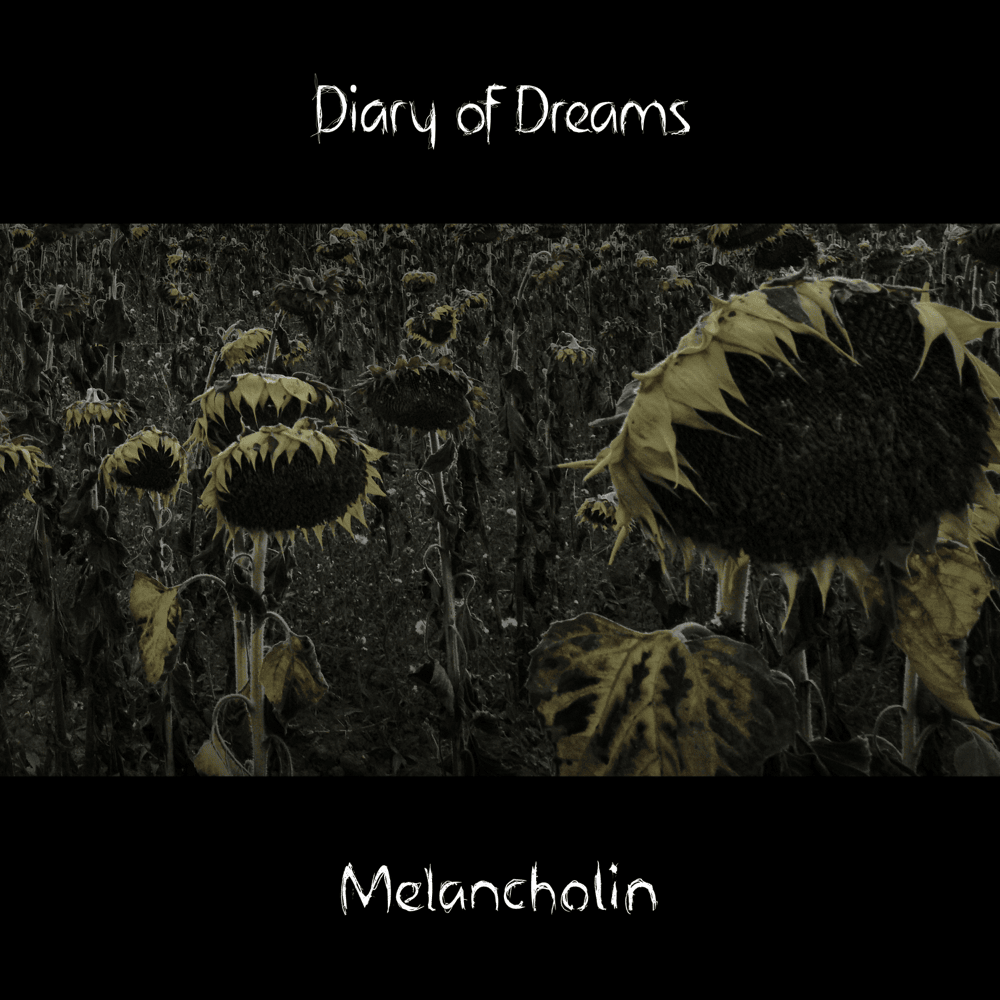
The writing powerfully uses a cascade of negative imagery and wordplay to convey this sense of decay and loss. Phrases like "Verloren die Jahre" (Lost the years), "Verbittert der Traum" (Bitter the dream), and "Desillusionen / Verstauben im Raum" (Disillusions / Dusting in the room) create a palpable atmosphere of stagnation and regret. The lyrics then escalate to abstract pronouncements, labeling despair as "Die Wurzel des Übels" (The root of evil) and mental decline as "Mentale Entgleisung / Per Definition" (Mental derailment / By definition), underscoring a bleak, almost deterministic view of this emotional state.
Ultimately, these lyrics resonate because they articulate a raw, unflinching look at the human condition when faced with overwhelming loneliness and disillusionment. The narrator's stark refusal to participate in the destructive rituals, coupled with the vivid, almost clinical dissection of despair, creates a powerful emotional arc. The final lines, "Du lachst mit mir. Still / Ein déjà-vu, ein neuer Tag" (You laugh with me. Quietly / A déjà vu, a new day), offer a fragile, ambiguous glimmer of hope or perhaps just the weary recognition of a recurring pattern, leaving the listener to ponder the true nature of connection and escape.
 View Artist