Song Meaning
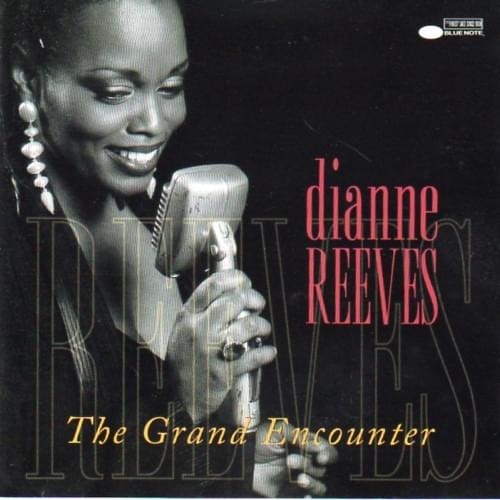
Dianne Reeves's rendition of "Some Other Spring" isn't just a song; it's a masterclass in emotional archaeology, dissecting the ruins left by a love affair gone to seed. The lyrics paint a stark contrast between external optimism and internal desolation. The repeated phrase "Some other spring" acts as both a promise and a lament – a yearning for future emotional renewal tempered by the lingering frost of past heartbreak. It's a future perpetually deferred, a hope shimmering just beyond reach. The faded blossoms become a central metaphor. The speaker isn't merely sad; she's actively clinging to the remnants of what was, even in their "crushed and torn" state. This act of clinging suggests a struggle between the head and the heart, a cognitive dissonance familiar to anyone who's ever tried to move on before truly letting go.
The lyrics cleverly subvert romantic tropes. The line "It's not true that love is blind" hints at a painful awareness, a clear-eyed assessment of the failed relationship's flaws. This isn't naive heartbreak; it's heartbreak seasoned with experience, a recognition that love's illusions have been shattered. The juxtaposition of "sunshine's around me / But deep in my heart it's cold as ice" is particularly potent. It speaks to the isolating nature of grief, the feeling of being utterly alone even in the midst of a vibrant world. The question "Can this story unfold twice?" hangs heavy, reflecting a deep-seated fear that the capacity for such intense love – and equally intense pain – might be a finite resource.
The song meaning circles around the possibility of future love, but it's a hesitant, conditional hope. The desire to "forget the old duet" and "find love in some other spring" reveals a conscious effort to rewrite the narrative, to escape the shadow of the past. However, the repetition of the refrain underscores the difficulty of this task. "Some other spring" becomes less a destination and more a state of mind – a perpetual waiting, a bittersweet acknowledgement that healing isn't a linear process. Reeves's interpretation captures the nuanced complexity of heartbreak, the push and pull between longing and acceptance, making "Some Other Spring" a timeless exploration of love, loss, and the enduring search for emotional renewal.
 View Artist