Song Meaning
Dianne Reeves' "Sing My Heart" is a masterclass in emotional subterfuge, a delicate dance between outward performance and inner turmoil. The song's core revolves around masking heartbreak, urging the 'heart' to project an image of joy ('sing,' 'dance,' 'pretend it's spring') to conceal underlying sadness from an unnamed 'he.' This central tension between genuine feeling and forced facade resonates deeply, touching on the universal experience of navigating complex romantic situations. It acknowledges the often-painful reality that love, as the lyrics state, 'is not an easy game,' and that individual hearts operate on their own rhythms.
The imperative mood—'Go on and sing,' 'Pretend you're glad'—suggests a desperate attempt at self-control, as if the singer is coaching her own heart to play a role. The risk of exposure is palpable; if the heart 'should despair,' 'he' will know the truth, leading to regret. This fear of vulnerability hints at a power dynamic within the relationship, where revealing true feelings could have negative consequences. The repetition of 'my heart' emphasizes the internal struggle, highlighting the disconnect between the persona being presented and the authentic emotions churning beneath the surface.
Ultimately, "Sing My Heart" explores themes of self-preservation and the performance of happiness. The fatalistic lines 'If it's to be we soon shall see and if it's not to be no power on earth can make it so' acknowledge a degree of acceptance, a surrender to fate despite the active attempt to manipulate perception. Reeves' song isn't just about heartbreak; it's about the choices we make to protect ourselves in the face of love's uncertainty, even if those choices require us to betray our own hearts.
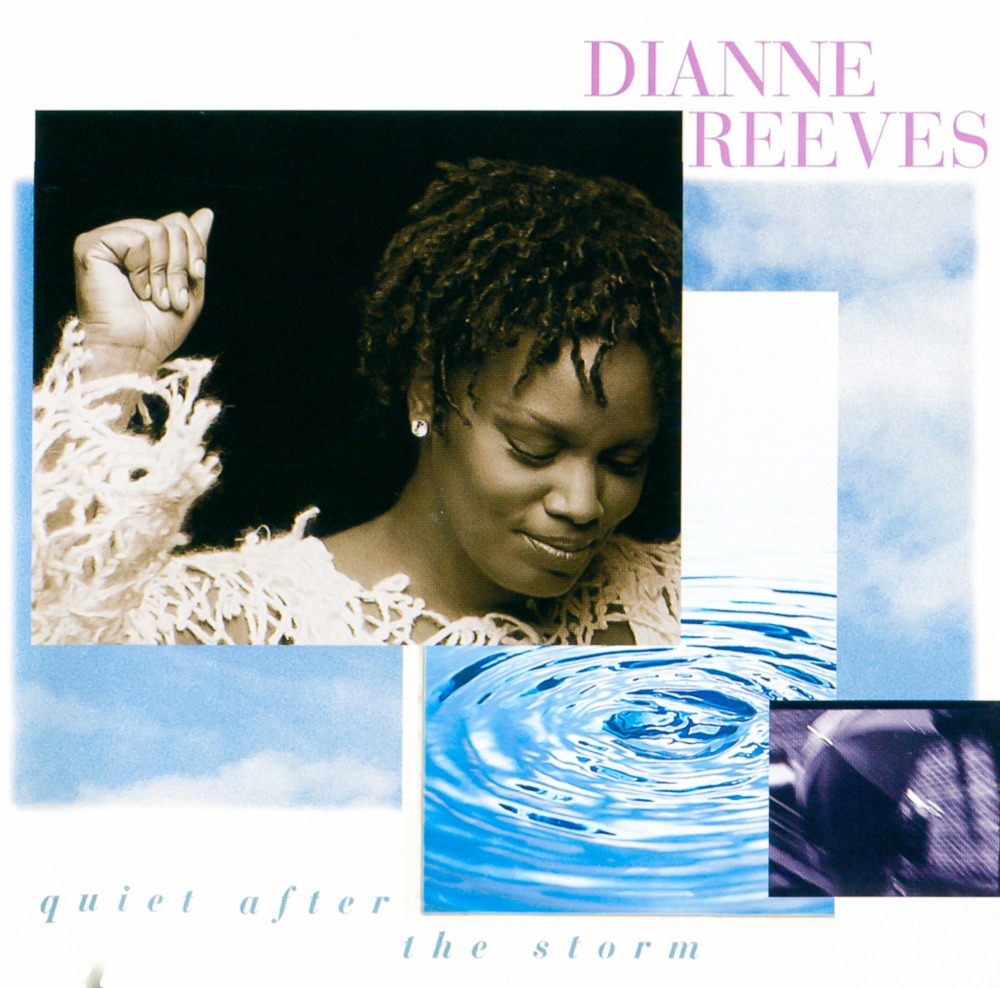
 View Artist