Song Meaning
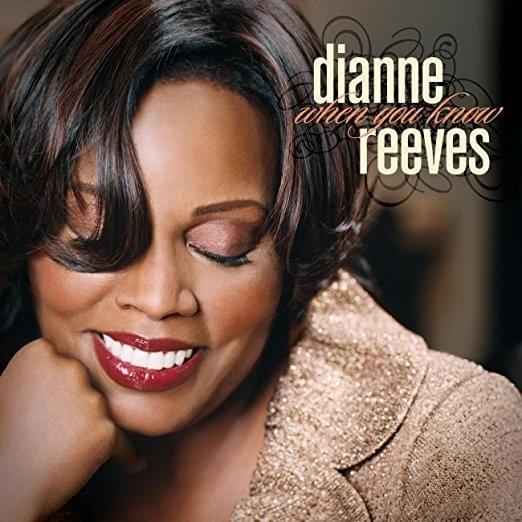
Dianne Reeves's rendition of "Once I Loved" isn't just a song; it's a masterclass in emotional excavation. The piece doesn't shy away from the raw nerve endings of love lost and tentatively regained. It's that space between heartbreak and cautious optimism where Reeves truly shines, guiding us through the labyrinth of vulnerability. The opening lines, simple as they are, carry the weight of a relationship's entire history, a confession of complete devotion that curdled into regret. The lyrics speak of a love so encompassing—"You were the world to me"—that its departure leaves an existential void. There is an acute awareness of self-blame, a hallmark of post-relationship analysis, where pride and foolishness are interrogated under the harsh light of hindsight.
The song's pivot hinges on the phrase "infinite sadness," a poetic oxymoron that perfectly captures the paradoxical nature of grief. It's within this profound sorrow that a flicker of hope ignites: "you came / And brought me love again." This isn't a naive, Disney-esque rescue; it's a return grounded in the understanding of past pain. There's a hard-won wisdom in the lines "Now I know / That no matter whatever befalls / I'll never let you go." This isn't just a promise; it's a declaration of resilience, a refusal to repeat past mistakes.
The core of "Once I Loved" lies in its understanding of love's inherent fragility. "Love is the saddest thing / When it goes away" isn't a statement of cynicism but of profound empathy. It acknowledges the potential for devastation that exists within the most beautiful connections. The repetition of this line, and the desperate plea, "Don’t go away," underscores the singer's understanding that love is not a guarantee, but a precious gift to be fiercely protected. Reeves doesn't offer platitudes or easy answers; she offers a shared space for acknowledging the bittersweet reality of love's precarious dance.
 View Artist