Song Meaning
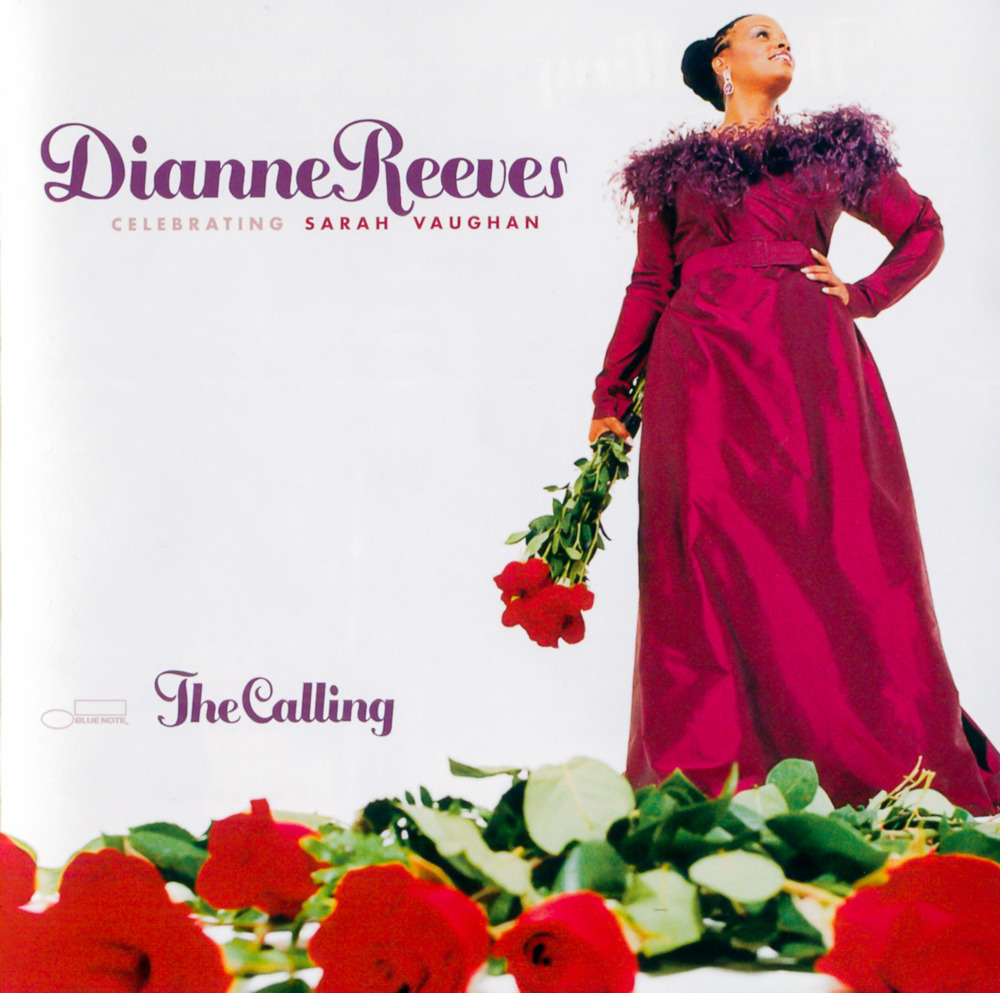
Dianne Reeves's rendition of "Lullaby of Birdland" isn't just a song; it's an intimate portrait of infatuation, painted with the lush colors of jazz and the vulnerability of a whispered secret. The lyrics analysis reveals a world where love transcends mere expression, becoming a sensory experience. Birdland, in this context, isn't just a geographical location; it's a metaphorical haven, a sonic landscape built upon the sighs and coos of lovers. Reeves uses synesthesia brilliantly, equating the feeling of love with a melody, a lullaby constantly playing in the background of the heart. The song meaning, therefore, hinges on this conflation of sound and emotion, suggesting that true love is not just felt but *heard*—a constant, comforting tune.
The image of turtle doves "bill[ing] and coo[ing] when they love" highlights the almost primal nature of this connection. It's not about grand gestures or verbose declarations but about the small, intimate sounds shared between two souls. This intimacy is further emphasized by the recurring motif of kissing, described as "magic music," turning physical touch into an art form. The lyrics suggest a deep intertwining, where the lovers' very breath becomes a part of the 'Lullaby of Birdland.' The 'weepy ol' willow' introduces a contrasting note of melancholy, a subtle acknowledgement of love's inherent fragility. The fear of separation, the potential for "farewell and goodbye," casts a shadow over the idyllic landscape, reminding us that even the most beautiful melodies can fade.
Ultimately, the enduring power of "Lullaby of Birdland," as performed by Dianne Reeves, lies in its ability to capture the dizzying heights and potential depths of romantic love. To be "flyin' high in birdland" signifies not just happiness, but a complete surrender to the intoxicating power of emotion. The repetition of "in love" in the outro serves as a hypnotic affirmation, a mantra that both celebrates the present moment and acknowledges the precarious nature of such bliss. The song, far from being a simple love ballad, becomes a complex exploration of the human heart, its capacity for joy, and its ever-present vulnerability.
 View Artist