Song Meaning
Dianne Reeves's "I Want You" isn't simply a declaration of longing; it's a sophisticated negotiation of desire and reciprocity. The repetition of "I want you" underscores a primal need, but the crucial qualifier – "But I want you to want me too" – elevates the sentiment beyond mere infatuation. Reeves isn't just seeking possession; she's demanding mutual desire, a fundamental requirement for a balanced and fulfilling connection. This is where the song's deeper psychology resides: in the insistence on shared vulnerability. The lyrics analysis reveals a yearning for a love that isn't transactional but reciprocal.
The singer lays bare her emotional investment, admitting she gives "all the love I want in return." This vulnerability, however, is met with a disheartening reality: "half a love is all I feel." The emotional arithmetic is stark. It exposes the inherent imbalance in a one-sided relationship. Reeves isn't passively accepting this deficit; she's actively challenging it, resolving to "change your mind." This declaration isn't born of naivete but of a deep-seated belief in the possibility of mutual transformation and the courage to fight for it. The song hints at the labor involved in shifting someone's emotional landscape.
The bridge introduces a cautionary note, warning against the pitfalls of one-way affection. "This one way love is just a fantasy," Reeves cautions, emphasizing the ephemeral nature of unrequited feelings. The lyrics then pivot to the enduring value of mutual care: "To share is precious, pure and fair." She questions the object of her affection, "Don't you wanna care?" suggesting a potential for emotional growth and a recognition of the emptiness that awaits in a life devoid of genuine connection. Ultimately, "I Want You" is not just a plea for affection but a sophisticated exploration of the conditions necessary for authentic love to flourish.
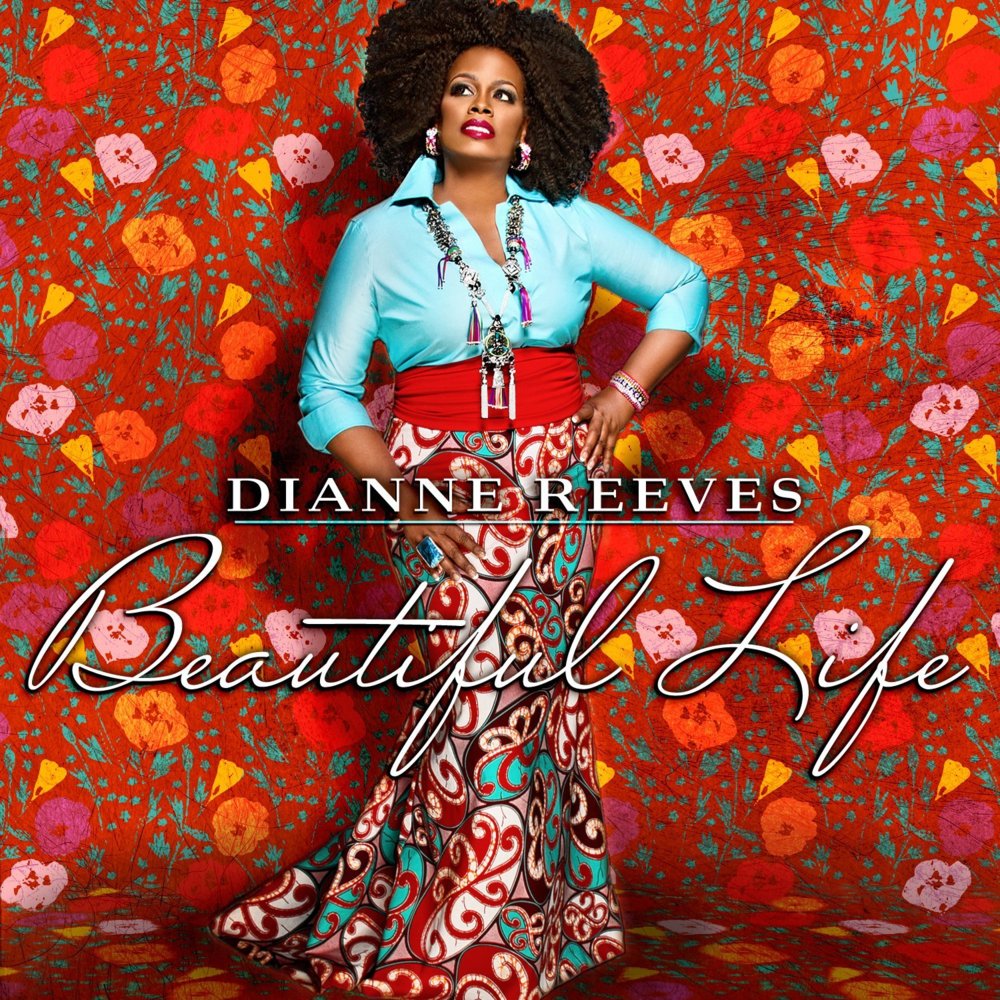
 View Artist