Song Meaning
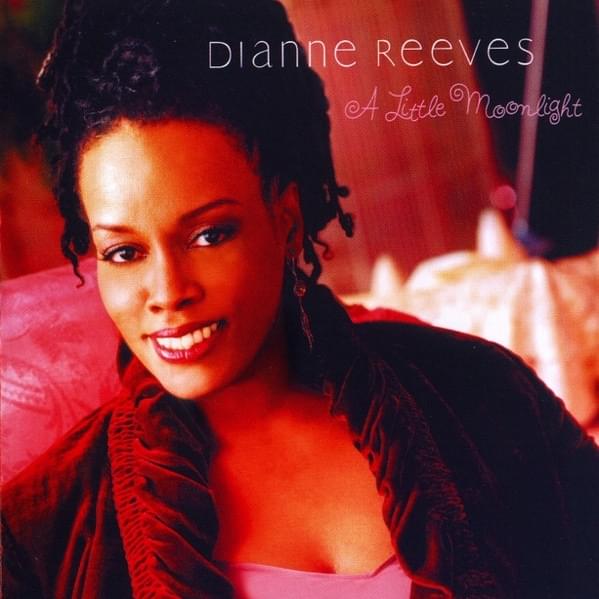
Dianne Reeves' rendition of "Darn That Dream" isn't just a wistful sigh; it's a masterclass in emotional ambivalence. The track, a jazz standard, hinges on the painful gap between nocturnal fantasy and stark reality. Reeves doesn't just sing the lyrics; she embodies the push and pull of longing, the exquisite torture of a dream so vivid it feels real, only to dissolve with the dawn. The repeated refrain, "Darn that dream," becomes less a curse and more a desperate plea, a paradoxical expression of love and frustration directed at the phantom lover conjured in sleep. It's a feeling anyone who has ever yearned for an unattainable ideal can understand.
The genius of the song, and of Reeves' interpretation, lies in its exploration of the subconscious. The lyrics point to a "one-track mind," suggesting an obsessive quality to the dreamer's desire. This isn't just a casual crush; it's a deep-seated need manifesting in the subconscious. The lines "They lift me high above the moonlit skies/Then I tumble out of paradise" paint a picture of euphoric escape followed by a devastating fall, a cycle of hope and disappointment that feeds the obsession. Reeves' vocal control allows her to convey both the soaring heights and the crushing lows with equal measure, mirroring the unstable emotional landscape of the dreamer.
But "Darn That Dream" avoids pure melancholy. There's a hint of self-awareness, even a touch of dark humor, in the lines "Just to change the mood I'm in/I'd welcome a nice old nightmare." It suggests a willingness to confront the pain, to break free from the saccharine sweetness of the dream, even if only for a moment. This complexity elevates the song beyond a simple lament. It's a nuanced portrait of desire, loss, and the complicated relationship we have with our own fantasies. Ultimately, Reeves' delivery acknowledges the addictive quality of the dream itself – "Without that dream, I never would have you" – suggesting a bittersweet dependency on the very illusion that causes so much pain. It's a song for anyone who's ever found themselves caught between the solace and the torment of their own imagination.
 View Artist