Song Meaning
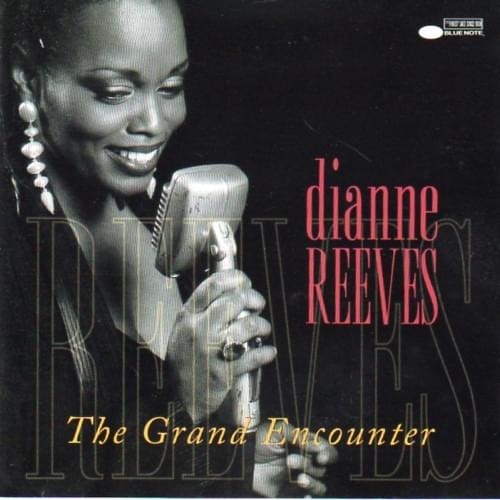
Dianne Reeves's interpretation of "Besame Mucho" isn't just a rendition; it's a raw, exposed nerve of human attachment. The song, a plea for a never-ending kiss, transcends simple romance, tapping into the primal fear of loss that shadows even the most passionate encounters. The phrase "como si fuera esta noche / La ultima vez" (as if tonight were the last time) reveals a consciousness acutely aware of life's ephemerality. It's not merely about wanting affection, but desperately needing reassurance against the inevitable void. This undercurrent of anxiety elevates the song beyond a simple love ballad. Reeves, with her masterful vocal control, understands the psychological weight of these lyrics.
The genius of "Besame Mucho" lies in its ability to juxtapose intense desire with vulnerability. The singer isn't just swept away by the present joy ("This joy is something new"); she's also haunted by the potential for future pain. The lines "Que tengo miedo perderte / Perderte otra vez" (I'm afraid of losing you / Losing you again) hints at past heartbreak, suggesting that this isn't the first time the singer has faced the abyss of separation. This past trauma casts a long shadow, making the present embrace all the more precious, and the fear of its ending all the more acute. The song becomes a ritual, a repeated act of devotion intended to ward off the ever-present threat of abandonment.
Reeves's soulful delivery amplifies the song's central tension: the push and pull between the intoxicating present and the terrifying future. The lyrics analysis points to a deep-seated insecurity, a need for constant validation to quiet the inner demons of doubt. The repetition of "Besame mucho" isn't just a request; it's a mantra, a desperate attempt to freeze time and hold onto a fleeting moment of connection. The song's meaning, therefore, resides not only in the expression of love, but also in the profound awareness of its fragility, making it a poignant exploration of the human condition. Ultimately, "Besame Mucho" is a reminder that love, in its most intense form, is always intertwined with the fear of its loss.
 View Artist