Song Meaning
This track captures a raw, almost desperate dependency, where the narrator's emotional state is directly tethered to another person's presence. The opening lines lay bare this volatile connection: "Quand chu ben down pis j'sais pas pourquoi / J'pense à toé pis là j'sais pourquoi." It's a stark admission that their lows are directly caused by absence, and their highs are inexplicably linked to the other person's being there. This isn't just missing someone; it's a fundamental imbalance where their own existence feels contingent.
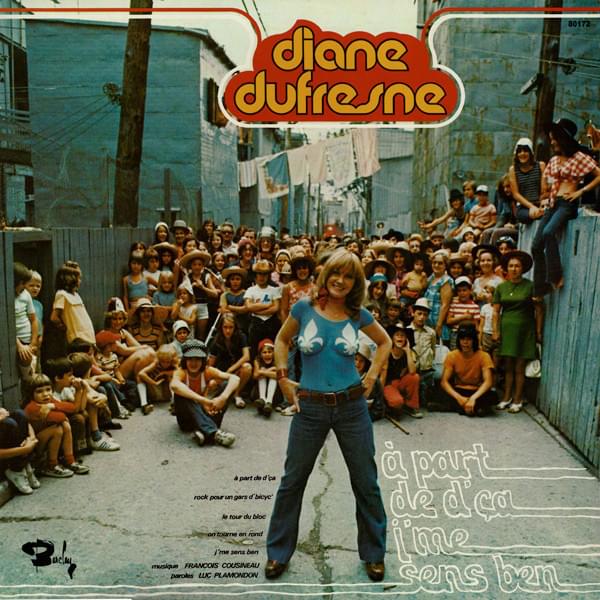
The central tension ignites with a disturbing fantasy born from this intense need. The narrator admits, "Des fois j'me dis si y pouvait donc s'faire écraser." This violent thought, triggered by the simple act of the other person leaving for "le tour du bloc," reveals the depth of their anguish and possessiveness. It's a dark, almost self-destructive impulse to ensure the other person's return, suggesting that even a catastrophic event would be preferable to their continued absence, followed by a chilling realization: "Pis après p't-être que j'pourrais vivre en paix." This implies the narrator believes their own peace is only achievable through the other's potential demise, a twisted form of liberation.
The most striking aspect is the stark contrast between the violent wish and the immediate, unconditional welcome. The moment the person returns, the narrator's resolve crumbles: "Mais quand tu r'viens j't'ouvre toujours la porte." This immediate capitulation underscores the overwhelming nature of their attachment, rendering the earlier dark thoughts impotent. The repeated assertion, "Tu l'sais ben, j'peux pas m'passer d'toé," and the final, desperate question, "Faut tu que j't'aime assez?" cement the feeling of being trapped in a cycle of need and despair, where love has morphed into an all-consuming, painful addiction.
 View Artist