Song Meaning
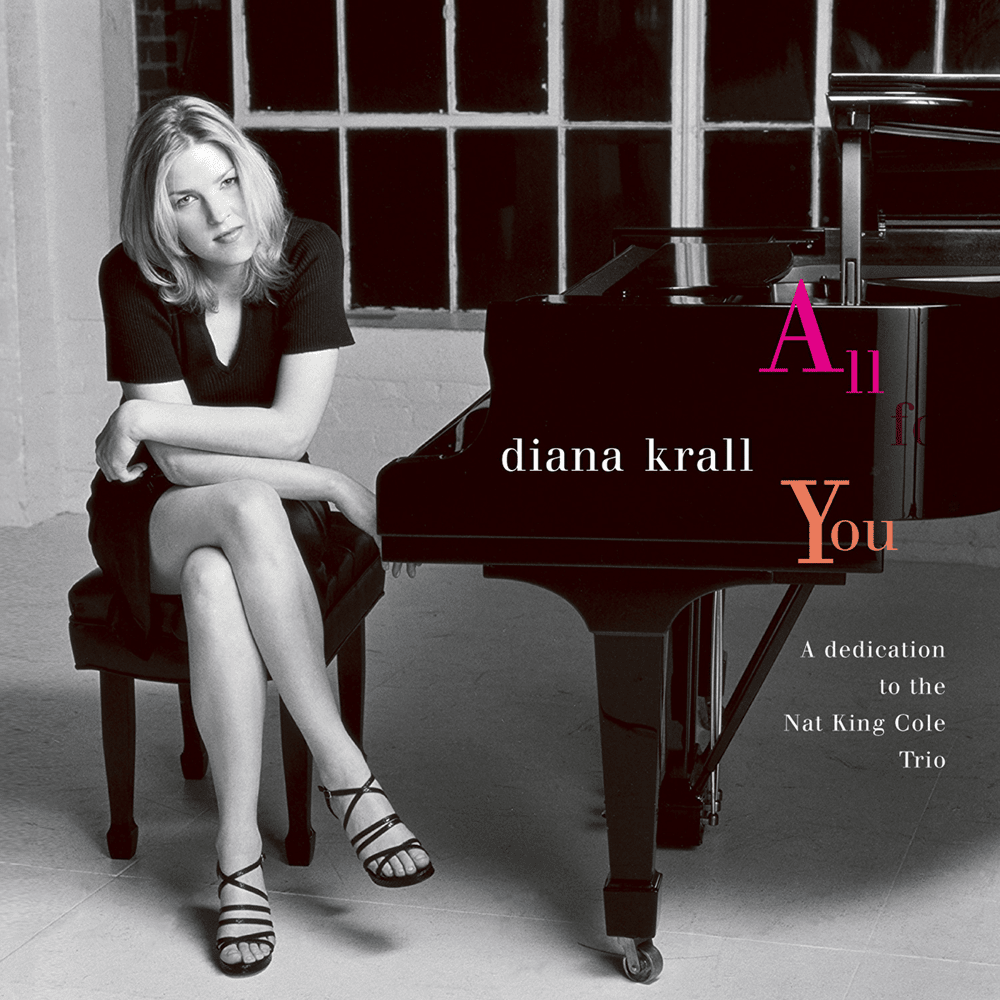
Diana Krall's interpretation of "You Call It Madness" is a masterclass in the wounded romantic's lament. The song excavates the raw nerve of a love betrayed, where devotion curdles into what the departing partner dismisses as mere "madness." But Krall, with her signature smoky delivery, imbues the lyrics with a defiant vulnerability. It's not madness, she insists; it's the purest form of love, a love so complete it blinds her to the obvious signs of betrayal. The repetition of the phrase "You call it madness, but I call it love" becomes a desperate mantra, a refusal to let go of the idealized past.
Beneath the surface of heartbreak lies a subtle power dynamic. The lyrics hint at a broken promise, a vow of faithfulness "by all the stars above" now casually discarded. The speaker's repeated pleas – "My heart is beating, it keeps repeating / For you constantly" – expose a yearning bordering on obsession. But it's not a simple case of unrequited affection. There's a distinct sense of injustice, of having been used and discarded. The line "You made a plaything out of romance" stings with the recognition of emotional manipulation, suggesting the other party never truly invested in the relationship beyond a superficial level.
Ultimately, "You Call It Madness" explores the fragile boundary between love and delusion. Is the speaker truly blinded by affection, or is she clinging to a narrative that protects her from the harsh reality of rejection? Krall's nuanced delivery leaves the question unanswered, allowing the listener to project their own experiences of love and loss onto the song's poignant ambiguity. The song meaning resides not just in the lyrics, but in the aching space between what is said and what remains unspoken, a testament to the enduring power of jazz standards to tap into the deepest recesses of the human heart.
 View Artist