Song Meaning
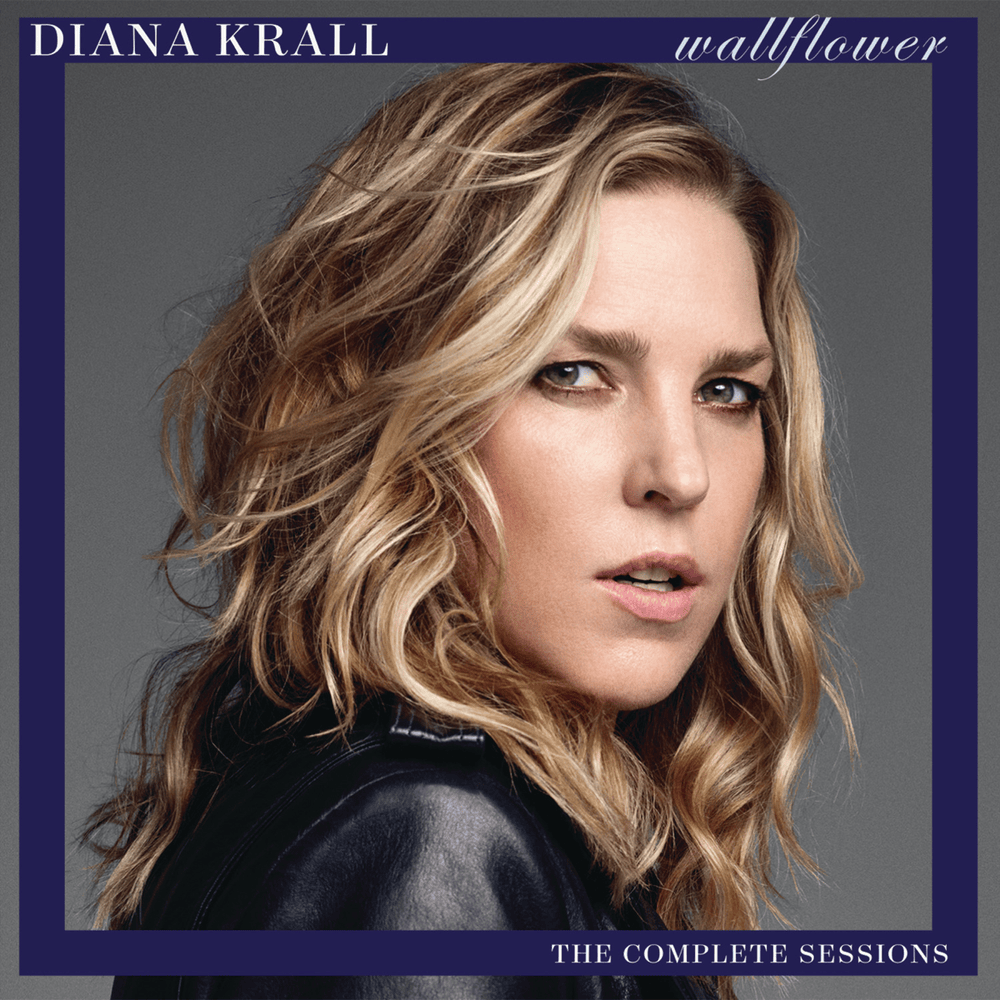
Diana Krall's live rendition of "Wallflower" strips away any pretense, leaving a stark exploration of longing and connection. The repeated plea, "Wallflower, wallflower, won't you dance with me?" isn't just a simple invitation; it's a yearning call echoing through the smoky haze of a lonely space. The narrator identifies with the wallflower, acknowledging shared feelings of isolation and uncertainty. It's a recognition of kindred spirits, two souls lingering on the periphery, questioning their place in the grand scheme. The lyrics suggest a desire to break free from this shared solitude, to find solace and perhaps even love in the company of another equally hesitant soul.
The song's beauty lies in its understated vulnerability. The narrator’s admission of sadness and loneliness is disarmingly direct, cutting through any potential artifice. This rawness is amplified by the repeated questioning of purpose: "Just like you, I'm wondering what I'm doing here / Just like you, I'm wondering what's going on." It speaks to the universal human experience of searching for meaning and belonging, especially in environments that can feel alienating. The anticipation woven into the lines, "And I know that you're gonna be my–/ One of these days, mine alone," hints at a future where connection triumphs over isolation.
Ultimately, the "Wallflower" song meaning transcends a simple dance request. It's a poignant meditation on empathy, the courage to reach out, and the quiet hope of finding someone who understands your unspoken anxieties. The imagery of a fleeting night underscores the urgency of the moment. The plea to "take a chance" is not just a romantic overture but a call to seize the opportunity for connection before it vanishes. Krall's interpretation emphasizes the tender vulnerability at the song's core, transforming it into an anthem for the shy, the hesitant, and anyone who has ever felt like they were standing on the sidelines of life.
 View Artist