Song Meaning
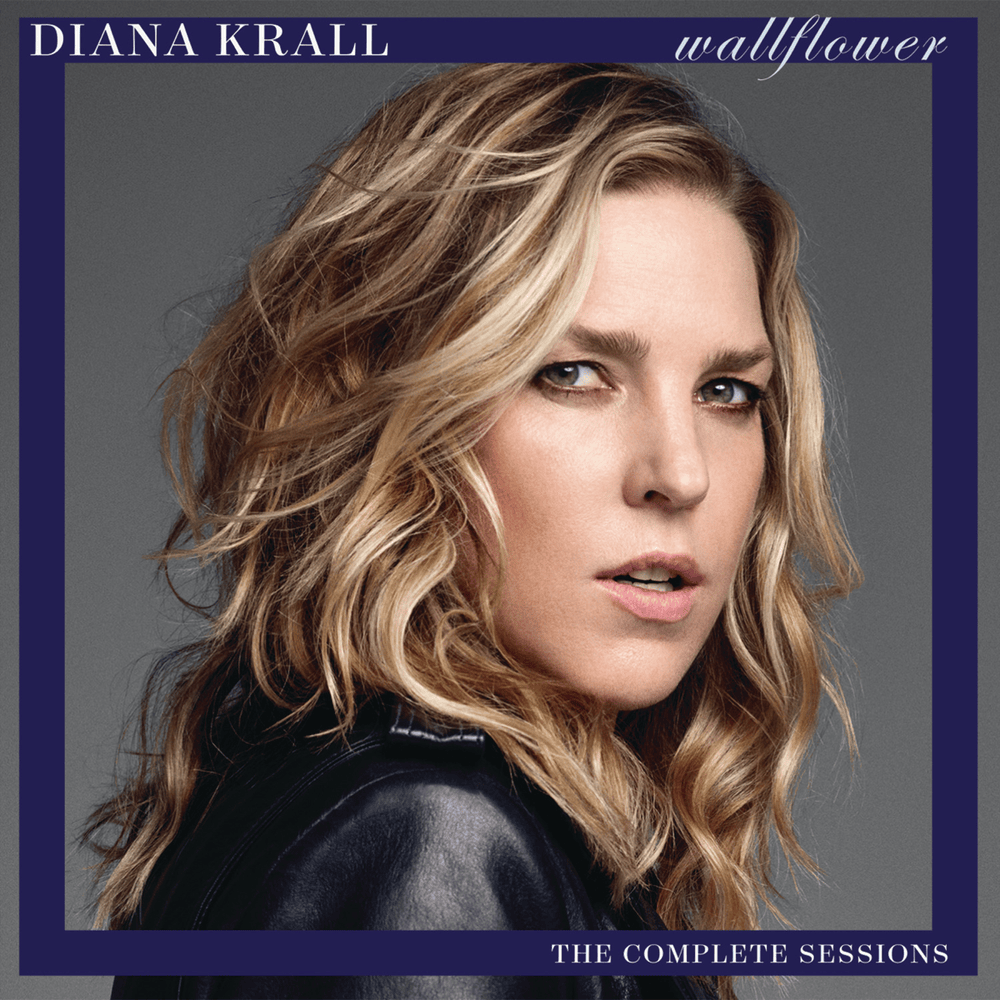
Diana Krall's rendition of "Wallflower" isn't just a song; it's an invitation extended from the fringes of a crowded room, a plea whispered across the chasm of shared isolation. The repeated refrain, "Wallflower, wallflower, won't you dance with me?" cuts to the quick of human longing, the desire for connection amplified by the awareness of being unseen, untouched. This isn't a story of boisterous extroversion, but rather a vulnerable offering from one hesitant soul to another. The song meaning resides in the courage it takes to bridge the gap between two individuals shrouded in quietude. Krall's interpretation emphasizes the intimacy of this potential encounter, transforming a simple request into a profound statement of empathy.
The lyrics themselves paint a picture of shared uncertainty. The bridge, with its lines "Just like you, I'm wondering what I'm doing here / Just like you, I'm wondering what's going on," highlights a mutual sense of displacement. This isn't merely about wanting to dance; it's about finding solace in another's presence amidst existential questioning. The "smokey haze" and the promise of "one last dance" suggest a fleeting moment, a desperate grasp at connection before the night dissolves, before the opportunity fades. There's a quiet desperation in the acknowledgment that this wallflower might be the only chance for intimacy.
The subtle shift in the lyrics, from "Won't you dance with me?" to "Take a chance on me / Please let me ride you home," reveals a deepening of desire. It transcends the purely physical act of dancing and moves into the realm of emotional vulnerability and a longing for companionship beyond the immediate moment. The repeated declaration, "I'm falling in love with you," isn't a bold pronouncement, but a tentative, almost hesitant admission, born from the shared experience of being on the periphery. "Wallflower" becomes an anthem for the introverted, a testament to the power of quiet connection in a world that often rewards extroversion.