Song Meaning
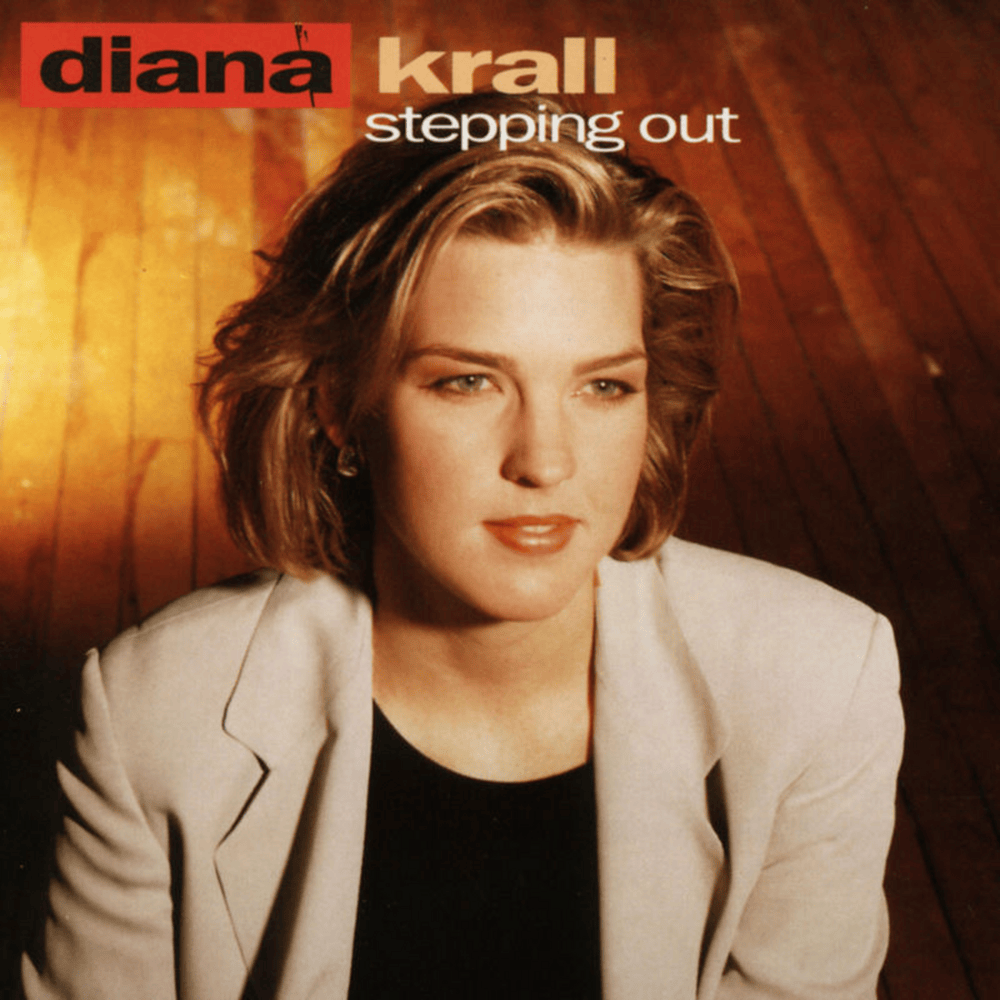
Diana Krall's rendition of "This Can't Be Love" isn't just a breezy jazz standard; it's a wry, psychologically astute deconstruction of romantic expectation. The song's genius lies in its central paradox: the speaker questions the authenticity of her feelings precisely because they lack the familiar hallmarks of lovesickness. Where are the requisite 'sobs,' 'sorrows,' and 'sighs'? The dizziness, the head-in-the-clouds disorientation? Krall delivers the lyrics with a cool, almost detached irony, highlighting the absurdity of equating emotional turmoil with genuine connection. The absence of suffering becomes, in itself, a source of anxiety. Is this 'too sweet to be love'?
The lyrics cleverly play on the cultural script of romance, where passion is often conflated with pain. We're conditioned to believe that true love involves a degree of suffering, a willingness to endure hardship for the sake of the beloved. Krall's speaker, however, finds herself in a state of disconcerting equilibrium. Her heart beats steadily, not racing with anxious anticipation. Her head remains firmly grounded, not lost in fantastical projections. This stability, rather than bringing comfort, throws her into a state of existential questioning. The longing to look into her lover's eyes, expressed at the end of each chorus, hints at a deeper desire for validation, a need to confirm that this 'too sweet' feeling is, in fact, the real thing.
Ultimately, Krall's interpretation of "This Can't Be Love" offers a refreshing perspective on the complexities of modern relationships. It challenges the notion that love must be synonymous with drama and suggests that perhaps, genuine connection can exist without the self-inflicted wounds of romantic angst. The song's enduring appeal lies in its ability to resonate with those who have dared to question the conventional wisdom of the heart, and who find themselves, like the speaker, wondering if a love that feels 'so well' can truly be love at all. The simple structure, punctuated by expressive piano and bass solos, emphasizes the core message: perhaps healthy love is unfamiliar, but no less valid.
 View Artist