Song Meaning
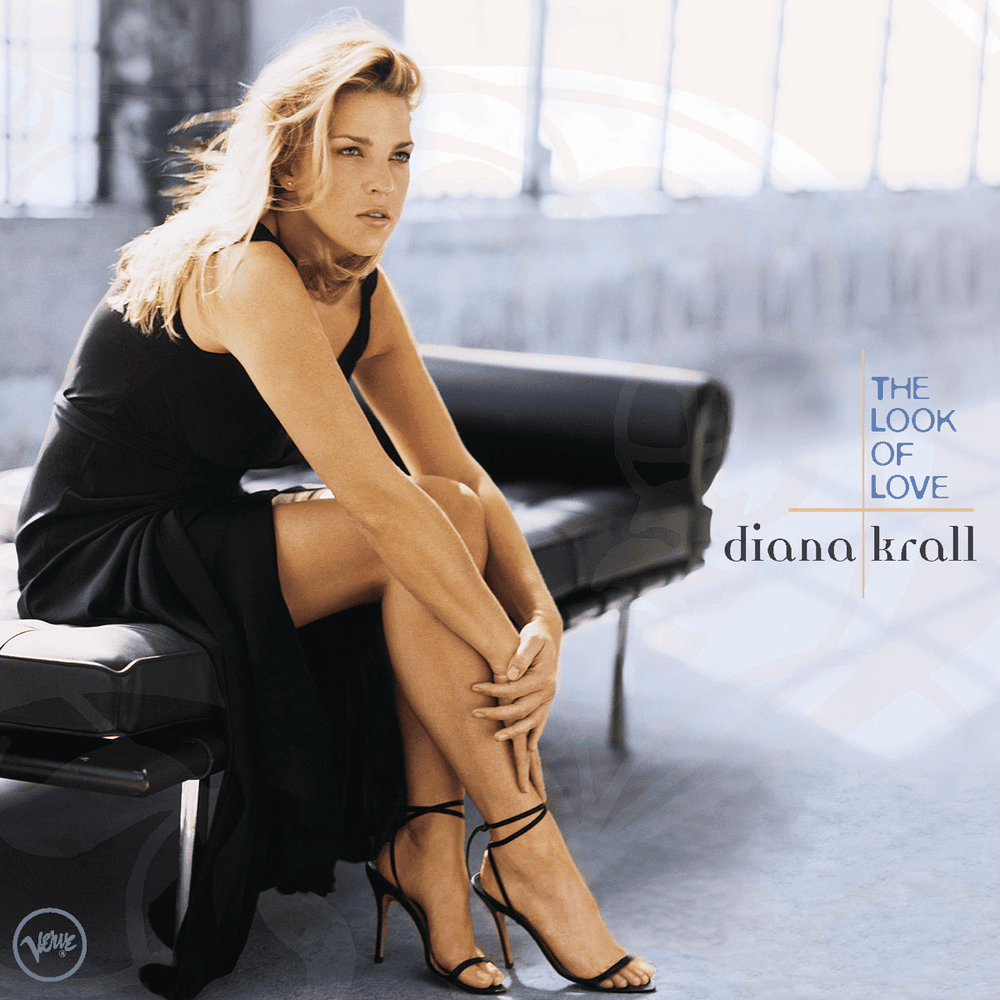
Diana Krall's interpretation of "The Night We Called It a Day" is not just a breakup song; it's an elegy for a love that vanished not with a bang, but a melancholic whisper. The opening lines paint a picture of celestial disappointment – the moon, a symbol of romance, is obscured, mirroring the fading of the relationship. This sets the stage for a farewell kiss, a gesture both intimate and final. The song meaning is deeply rooted in the emotional aftermath, a landscape of loss where even the cosmos seems to mourn.
The lyrics delve into the psychological impact of heartbreak. Krall sings of hearing "the song of the spheres / Like a minor lament," suggesting a profound sense of cosmic loneliness. The inability to pray signifies a spiritual desolation, a feeling of abandonment that transcends the earthly realm. It's a powerful image, conveying the depth of the singer's despair. The recurring motif of darkness – "Soft through the dark / The hoot of an owl in the sky" – reinforces this sense of isolation, drawing a parallel between the singer's sadness and the owl's mournful call. The comparison emphasizes the naturalness of grief, framing it as an intrinsic part of the human experience.
The final verses amplify the themes of desolation and finality. The moon sets, the stars disappear, and most significantly, "the sun didn't rise with the dawn." This isn't just the end of a relationship; it's the end of hope, the extinguishing of light itself. The repetition of "There wasn't a thing left to say" underscores the irretrievable nature of the loss. Krall's nuanced delivery, combined with the evocative lyrics, transforms "The Night We Called It a Day" into a poignant meditation on love, loss, and the quiet devastation of a relationship's end.
 View Artist