Song Meaning
Diana Krall's rendition of "No Moon at All" isn't just a breezy jazz standard; it's a masterclass in understated desire. The song's surface simplicity—a lament about the absent moon—masks a deeper, more playful subtext. The darkness, initially presented as a void, quickly transforms into an opportunity. The dimmed lights of fireflies and the silenced barks of dogs aren't signs of melancholy, but rather invitations to intimacy. Krall's smoky vocals glide over the lyrics, emphasizing the seductive potential of the night. The absence of the moon becomes a metaphor for shedding societal expectations and embracing raw, unfiltered emotion. It’s about finding one's own light, fueled by connection, rather than relying on external validation or prescribed romantic settings. This interpretation of the song meaning flips the traditional romantic script.
The genius of "No Moon at All" lies in its inversion of romantic tropes. The lyrics cleverly suggest that the darkness is not a hindrance, but a facilitator. "Such a perfect chance to park," she sings, with a knowing wink. The song isn’t about longing for an ideal; it’s about finding perfection in the imperfect, in the unplanned moment. The repeated line, "One kiss will make it clear," underscores the power of physical connection to transcend the need for conventional romantic settings. There's a hint of rebellion in the song's core, a rejection of the 'moonlit stroll' fantasy.
Ultimately, Krall's rendition of "No Moon at All" is a celebration of authentic connection. It posits that true intimacy doesn't require manufactured romance; it thrives in the unexpected, in the moments when the external world fades away and all that remains is the magnetic pull between two people. This lyrics analysis reveals a playful subversion of romantic expectations, suggesting that genuine love can blossom even—or perhaps especially—when the moon is nowhere to be found. It's in this void that true feelings emerge, unburdened by societal pressures and expectations.
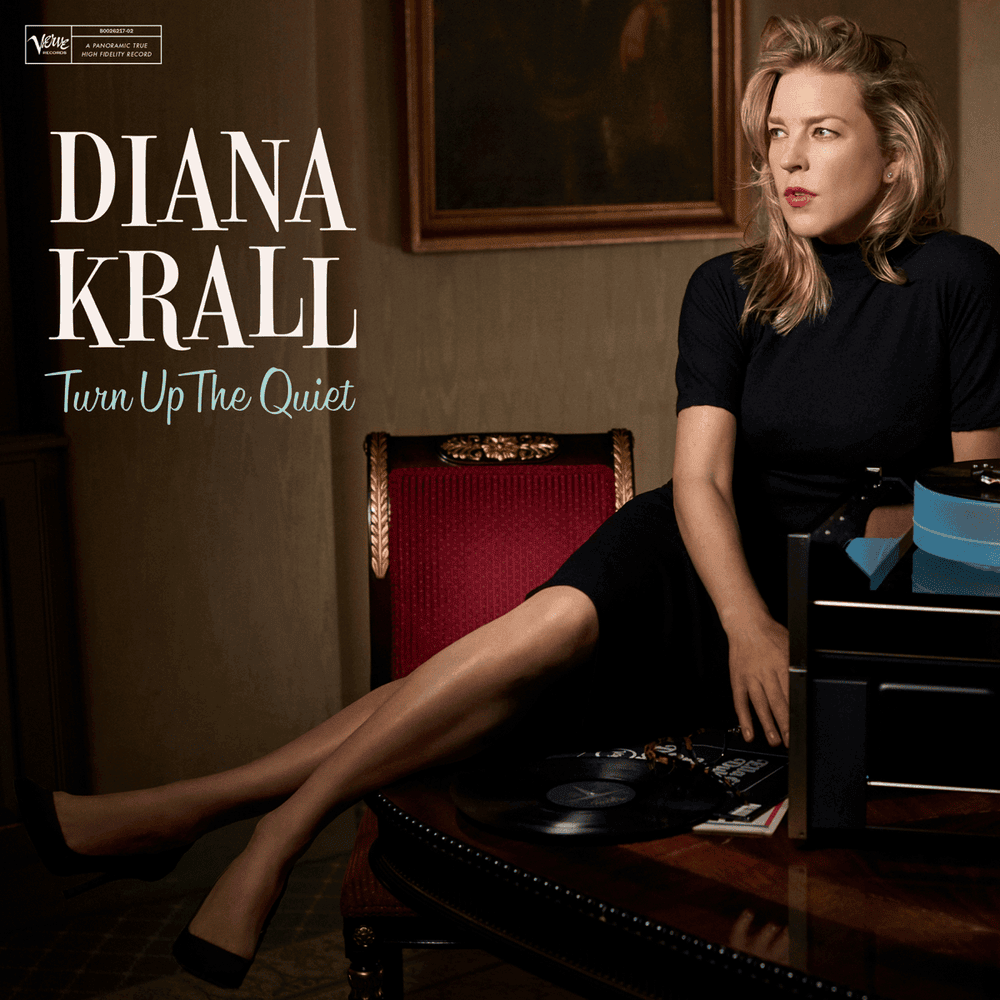
 View Artist