Song Meaning
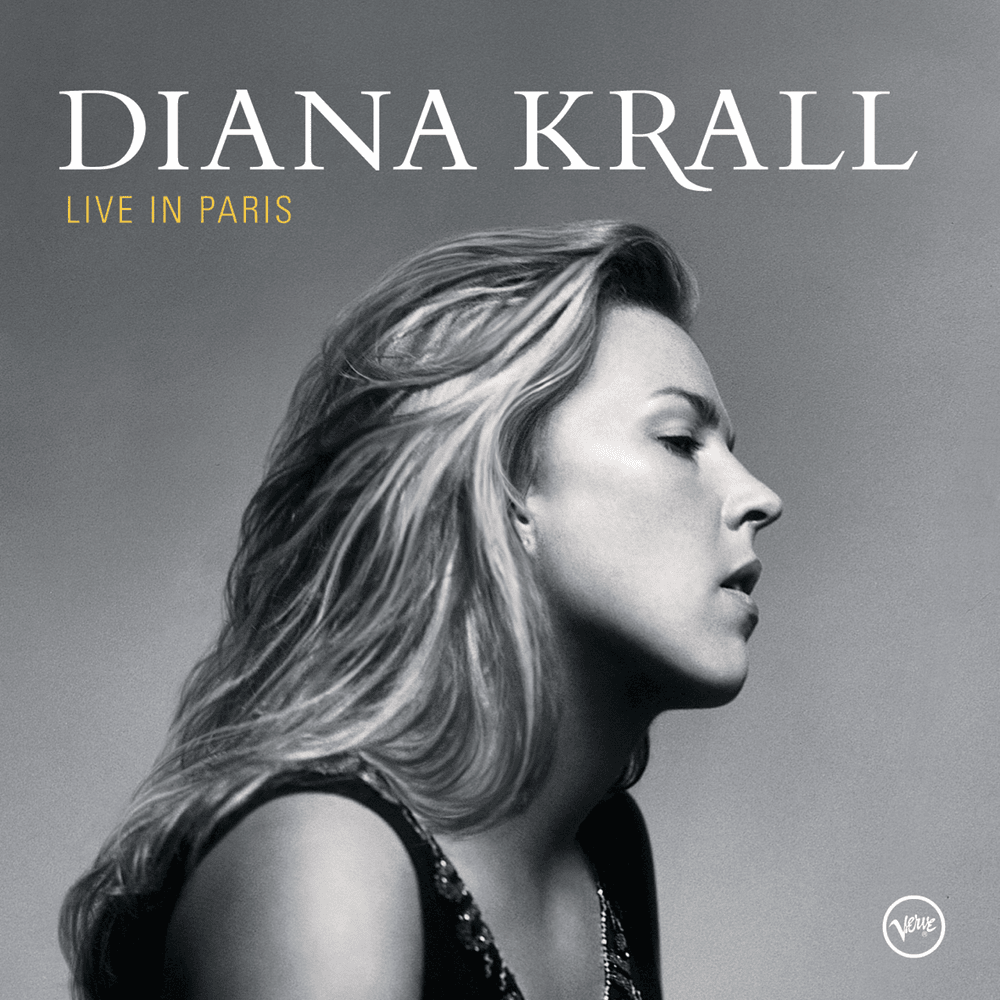
Diana Krall's live rendition of "Maybe You'll Be There" isn't just a performance; it's a masterclass in melancholic longing, a study in the quiet desperation that follows a love gone cold. The lyrics paint a portrait of someone caught in a loop of hope and despair, perpetually scanning crowds and wandering lonely streets, clinging to the improbable chance of a reunion. This isn't a fiery, angry breakup anthem. Instead, it's the sound of someone haunted by the ghost of promises, the "you said your arms would always hold me" line echoing like a cruel taunt. Krall's interpretation amplifies the vulnerability inherent in the lyrics, transforming what could be a simple torch song into a profound exploration of the psychology of loss.
The genius of "Maybe You'll Be There" lies in its understanding of how the human mind grapples with absence. The repeated "maybe you'll be there" refrain isn't just wishful thinking; it's a form of self-soothing, a fragile shield against the crushing weight of reality. The narrator knows, logically, that the object of their affection is unlikely to reappear. And yet, the irrational hope persists, driving them to engage in behaviors that are, as they admit, "not the proper thing to do." This internal conflict – the battle between reason and emotion – is what makes the song so relatable, so deeply human. It speaks to the universal experience of clinging to hope even when all evidence suggests it's futile.
Ultimately, Krall's delivery elevates the song beyond a mere expression of sadness. It becomes a meditation on the enduring power of memory and the human capacity for self-deception in the face of heartbreak. The song's meaning resides not just in the lyrics themselves, but in the spaces between the notes, in the subtle inflections of Krall's voice that convey a lifetime of longing. It's a reminder that even in the darkest moments, the flicker of "maybe" can be enough to keep us searching, keep us hoping, against all odds.
 View Artist