Song Meaning
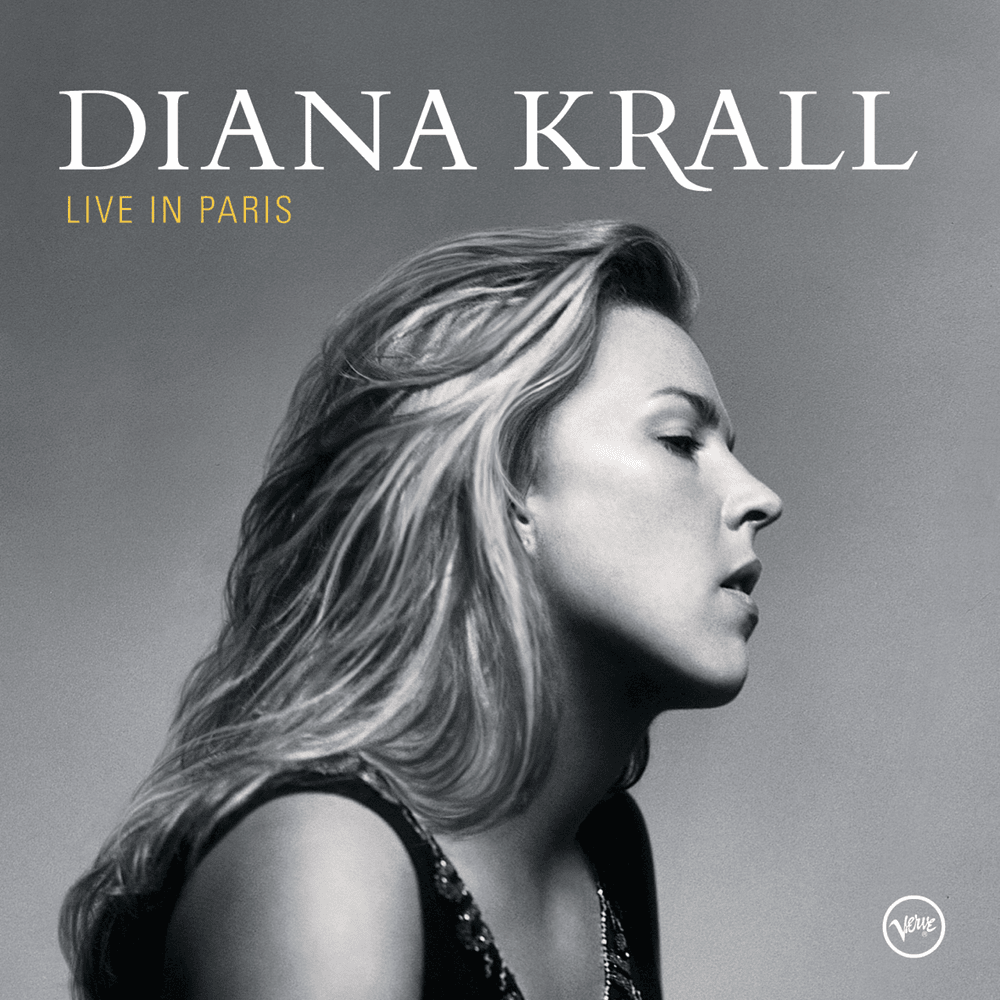
Diana Krall's rendition of "I've Got You Under My Skin" transcends the familiar big-band swagger, revealing a more intimate and psychologically complex portrait of obsession. The lyrics, famously penned by Cole Porter, speak of an all-consuming infatuation, but Krall's interpretation, stripped of some of the original's bravado, exposes the vulnerability beneath. It’s not just about desire; it’s about a lack of control, a yielding to something both irresistible and potentially destructive. The phrase "under my skin" isn't merely a metaphor for closeness; it suggests a parasitic relationship where the object of affection has infiltrated the narrator's very being, dictating thoughts and actions. The central conflict emerges in the tension between rational self-preservation and the intoxicating pull of the obsession.
The lyrics make it clear that the narrator is aware of the danger, acknowledging a "warning voice" and recognizing the futility of the situation ("Don't you know you fool you never can win"). However, this intellectual understanding is powerless against the emotional grip. The repeated attempts at resistance only highlight the strength of the obsession. The line, "Use your mentality, wake up to reality / For each time I do, just the thought of you makes me stop before I begin," illustrates the paralysis caused by the infatuation, a kind of self-sabotage where even the intention to break free is thwarted by the mere thought of the other person. This speaks to the addictive nature of unhealthy relationships, where the pain and potential consequences are outweighed by the temporary high of connection.
Ultimately, Krall's version, through her nuanced delivery, transforms a classic love song into a stark exploration of psychological dependency. It's a story about the dark side of love, where boundaries blur, and the self is subsumed by an external force. The "March of the Witch Hunters" alludes to an irrational hunt and persecution. This may refer to the way society often scrutinizes and condemns intense, unconventional love. The singer's internal battle reflects a larger societal pressure to conform to acceptable romantic norms, while also highlighting the personal struggle to break free from the intoxicating but potentially destructive power of obsessive desire.
 View Artist