Song Meaning
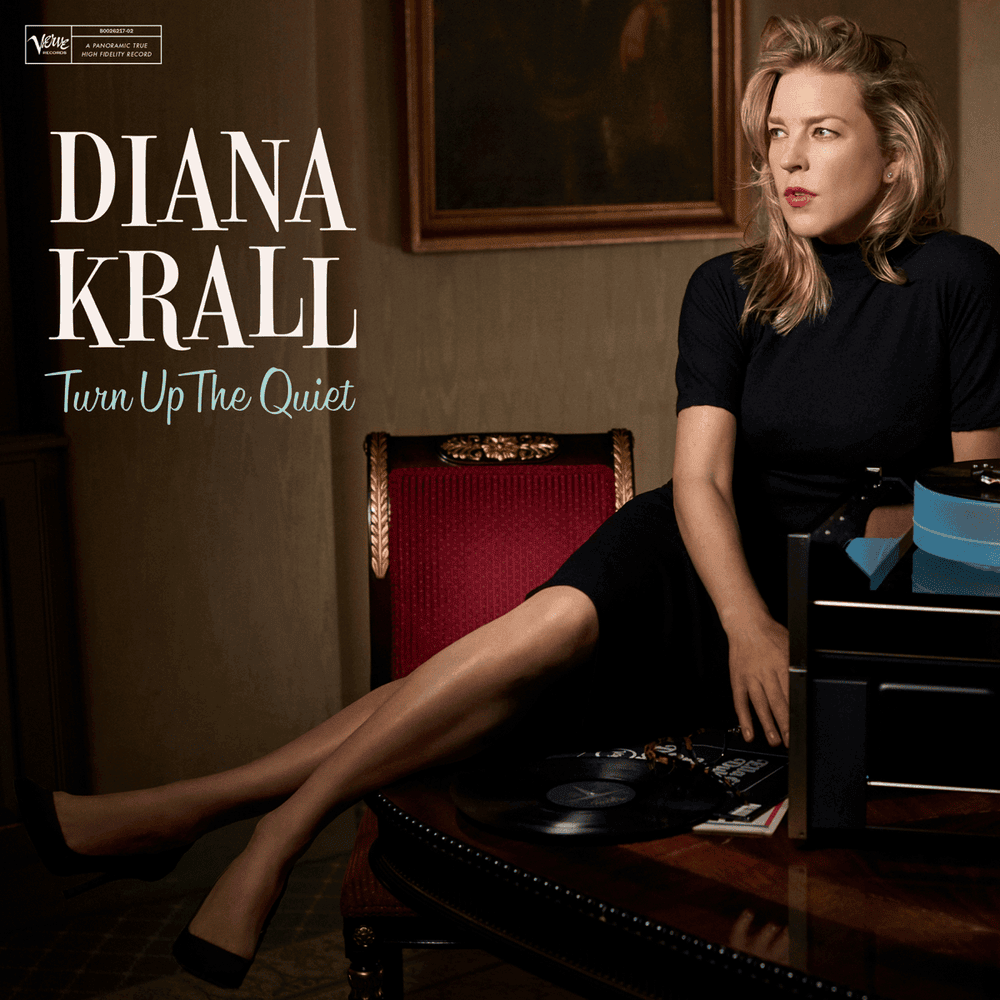
Diana Krall's rendition of "Isn't It Romantic?" doesn't just ask a question; it melts into one. The song isn't so much performed as it is exhaled, a smoky whisper that curls around the listener like the very romance it describes. The genius here lies in its simplicity, a near-naivete that dares to embrace the unironic beauty of budding affection. Krall understands that the question itself *is* the answer, a yearning articulated through melody and arrangement. The song becomes a self-fulfilling prophecy, the music conjuring the very atmosphere it inquires about. It's a masterclass in setting a mood, an immersive experience rather than a passive listening one. The repetition of "Isn't it romantic?" drills into the subconscious, planting the seed of possibility.
The lyrics, deceptively simple, operate on multiple levels. The surface reading is pure, unadulterated longing, a tentative dipping of toes into the waters of love. Lines like "Music in the night, a dream that can be heard" paint a picture of romance as an almost tangible force, something palpable in the air. But beneath the surface sweetness, there's a subtle undercurrent of uncertainty. The phrase "Do you mean that I will fall in love perchance?" reveals a vulnerability, a hesitant hope that acknowledges the precarious nature of romance. This isn't a declaration of love, but rather a hopeful query, a fragile question posed to the universe.
Ultimately, Krall's interpretation of "Isn't It Romantic?" transcends the typical love song. It becomes an exploration of the *idea* of romance, a meditation on the power of suggestion and the intoxicating allure of possibility. It’s a song that understands that romance isn't just about grand gestures or passionate declarations; it's about the small moments, the shared glances, the unspoken desires that simmer beneath the surface. Krall doesn't just sing about romance; she embodies it, turning the song into an invitation to believe in its enduring power.
 View Artist