Song Meaning
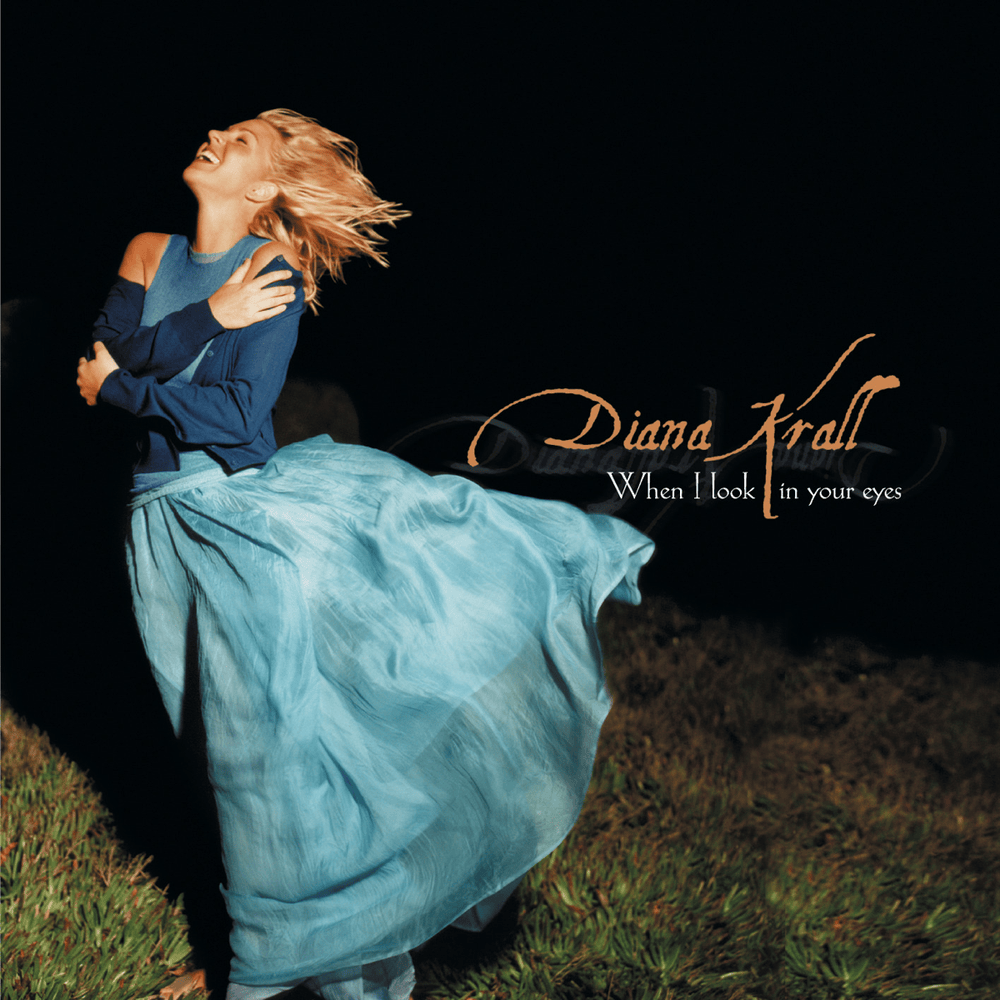
Diana Krall's rendition of "I Can't Give You Anything But Love" carries the weight of wistful resignation, a jazz-infused sigh acknowledging the limitations of affection in a material world. The song, stripped down to its core, presents a lover acutely aware of their economic shortcomings. It's not just a simple declaration of love's abundance; it's a nuanced admission that love, on its own, might not be enough. The repeated refrain, "I can't give you anything but love, baby," borders on self-deprecation, tinged with the bitter understanding that "happiness" and "all those things you always pine for" often come with a hefty price tag that love alone can't cover. Krall's interpretation doesn't shy away from the inherent vulnerability in this position.
The lyrics hint at a dynamic where the object of affection is drawn to the allure of material wealth, symbolized by "diamond bracelets Woolworth's doesn't sell." This isn't a condemnation, but rather a sober observation of societal values and the pressures they exert on relationships. The speaker isn't necessarily bitter, but realistic. They see the game, understand the rules, and know they're playing from a disadvantaged position. The line "Gee it's nice to see you looking swell, baby" can be read with a touch of irony, as if acknowledging the superficial markers of success and happiness that are beyond their reach.
Ultimately, Krall's delivery transforms a potentially saccharine sentiment into a poignant reflection on the complexities of love and economic disparity. It's a song that acknowledges the power of love, but also its limitations in a world where material possessions often dictate worth and happiness. The song meaning resides not just in the words, but in the space between them, in the unspoken acknowledgment that love, while precious, might not always be enough to bridge the gap between dreams and reality. It's a jazz standard, yes, but Krall imbues it with a modern sensibility, making it resonate with anyone who has ever felt the weight of economic insecurity in the face of romantic longing.
 View Artist