Song Meaning
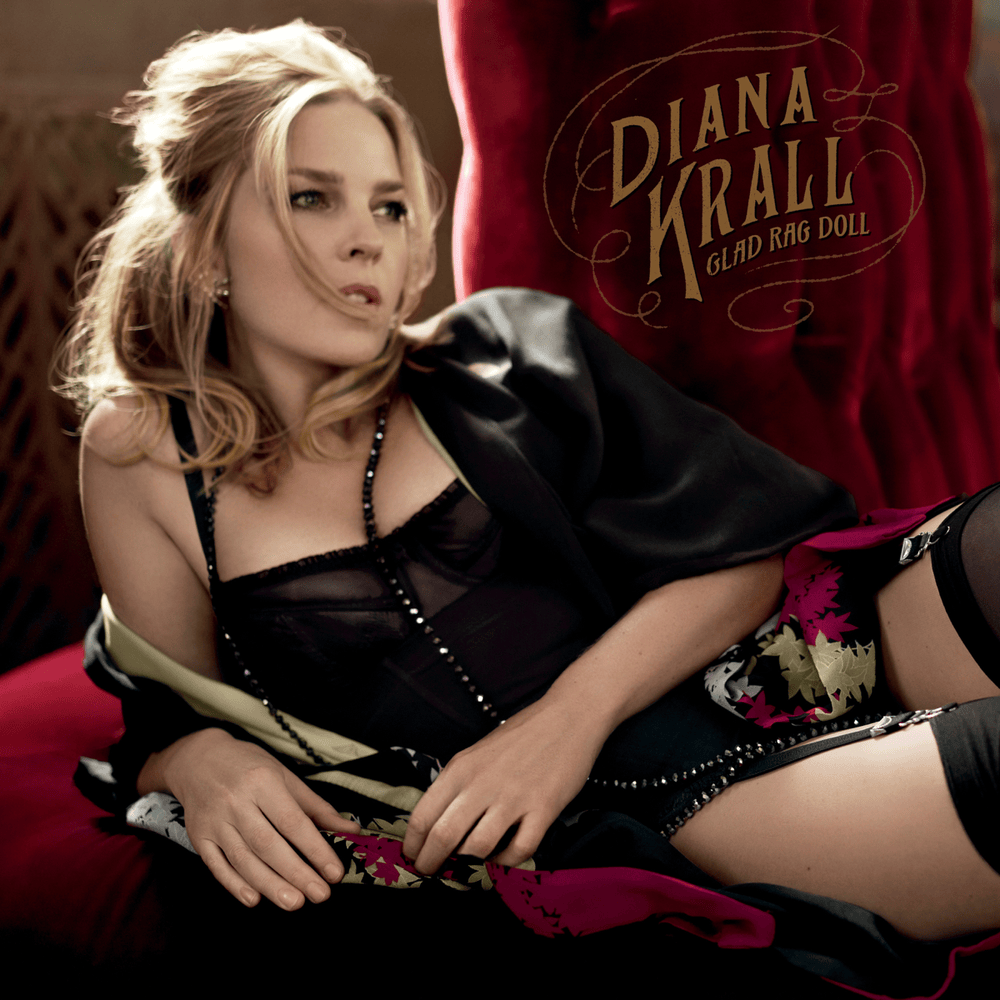
Diana Krall's "Glad Rag Doll" (Alternate Version) isn't just a throwback; it's a brittle character study. The 'little painted lady' she sings about is trapped—encased in finery that's both alluring and a suffocating facade. The song meaning hinges on that central paradox: the 'glad rags' are a costume, a performance demanded by a world that prizes surface over substance. Krall's smoky delivery underscores the inherent sadness; it's a lament for a woman defined by her attractiveness, destined to be admired and desired until those lovers inevitably 'grow tired.'
The lyrics paint a stark picture of transactional relationships. The diamonds, whose cost 'everybody knows,' symbolize the price of this charade. The mask isn't just makeup; it's the entire persona, carefully constructed to meet external expectations. There’s a palpable sense of fragility; the 'glad rags' could easily become 'sad rags' – a fate hanging heavy in the air. It's this precariousness that elevates the song beyond mere nostalgia; it becomes a commentary on the objectification of women and the fleeting nature of beauty.
But Krall doesn't offer a purely bleak outlook. The lines 'Don't make this the end, dear / It's never too late to mend, dear' introduce a glimmer of hope, however faint. They suggest the possibility of agency, a chance for the 'glad rag doll' to break free from her gilded cage and reclaim her own narrative. The song, therefore, becomes a poignant exploration of identity, societal pressures, and the potential for self-discovery, even within the confines of a predetermined role. Ultimately, Diana Krall uses this alternate version to amplify the core melancholic theme of the song, leaving the listener to consider the inherent loneliness of the subject.
 View Artist