Song Meaning
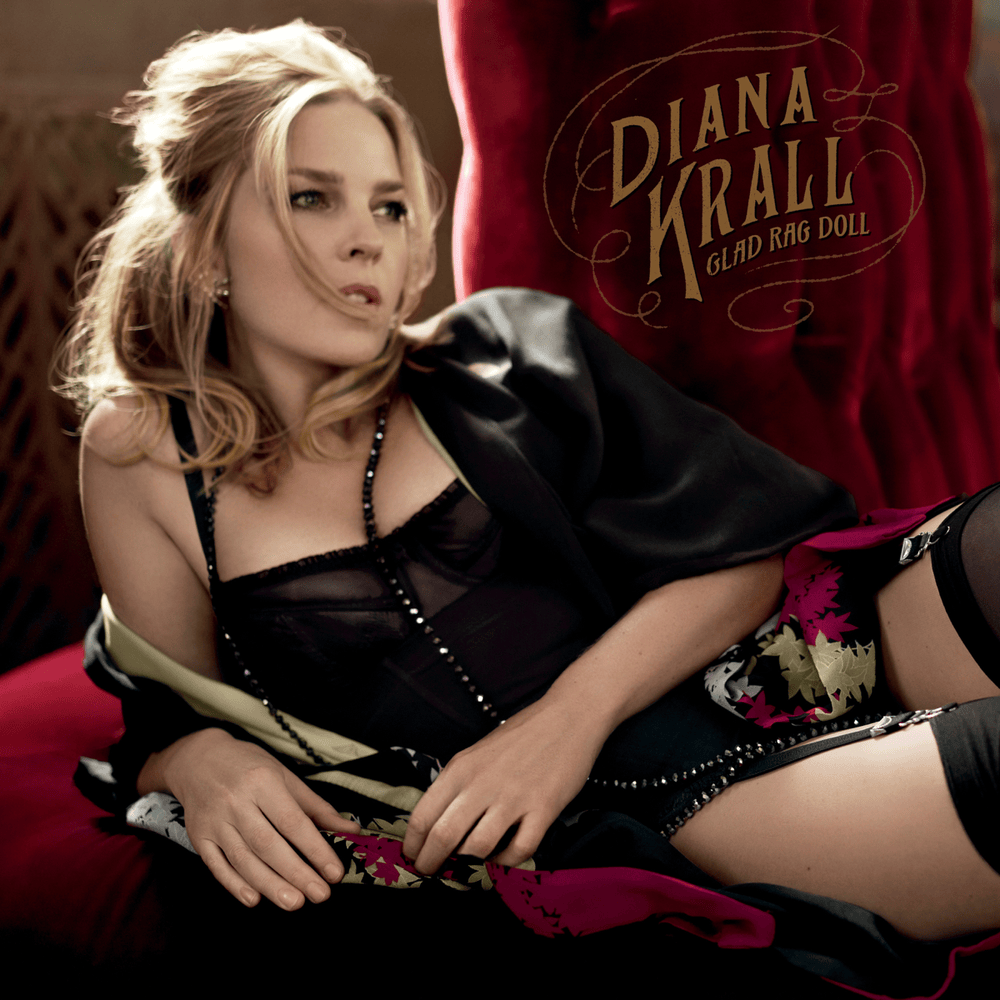
Diana Krall's interpretation of "Glad Rag Doll" isn't just a vintage stroll; it's a poignant x-ray of objectification. The titular 'glad rag doll' is a woman adorned, desired, yet ultimately disposable in the eyes of her admirers. Krall's smoky delivery imbues the lyrics with a world-weariness that transcends mere performance, suggesting a deeper understanding of the doll's predicament. The song's meaning hinges on this central tension: the dazzling surface versus the inherent vulnerability beneath.
The lyrics paint a stark picture of a woman whose worth is measured solely by her appearance. "Little painted lady with your lovely clothes," the song begins, immediately framing her as a constructed image. The diamonds, symbols of wealth and status, come at a hidden cost, a transaction visible to all but perhaps the doll herself. The refrain, "All dolled up in glad rags / Tomorrow, may turn to sad rags," foreshadows the ephemeral nature of her allure, hinting at the inevitable decline and the disposability that awaits her when her beauty fades. The song isn't merely a lament; it's a commentary on the male gaze and the societal pressures that reduce women to objects of fleeting desire.
Ultimately, “Glad Rag Doll” offers a sliver of hope amidst the bleakness. The lines, "Don't make this the end, dear / It's never too late to mend, dear," serve as a gentle encouragement, a plea for self-reclamation. Krall's rendition suggests that even within the confines of this constructed persona, there's still room for agency, a chance to break free from the cycle of objectification. The song's deeper meaning resonates beyond its historical context, speaking to contemporary issues of female empowerment and the ongoing struggle for recognition beyond superficial appearances.
 View Artist