Song Meaning
Diana Krall's "Every Day More Wicked" isn't just a sultry jazz standard; it's a masterclass in repressed desire, wrapped in a veneer of old-fashioned coyness. The lyrics paint a picture of a woman wrestling with her own longing, caught between societal expectations and the undeniable pull of her physical desires. Krall's delivery, of course, is key. Her voice, a smoky whisper, hints at the barely contained passion simmering beneath the surface of those carefully chosen words. The repeated plea, "do it again," isn't a simple request; it's a desperate attempt to reconcile forbidden pleasure with a lingering sense of guilt.
The brilliance of the song lies in its subtle exploration of the Madonna-whore complex. The singer acknowledges societal judgment ("Mama may scold me cause she told me it was naughty"), yet she's powerless against her craving. This internal conflict is the engine that drives the song's emotional intensity. She's not simply being seduced; she's actively participating in her own 'fall from grace,' finding a perverse pleasure in the transgression itself. The repeated denials ("I may say no, no, no") only serve to amplify the underlying yearning, turning the act of resistance into a form of foreplay.
Ultimately, "Every Day More Wicked" is a nuanced exploration of female sexuality and the complexities of desire. It's about the intoxicating tension between wanting and being wanted, between societal constraints and personal liberation. Krall doesn't offer easy answers or moral judgments; instead, she invites us to witness a woman grappling with her own internal contradictions, finding a strange and compelling beauty in the process. The song meaning resides in this unspoken tension, a space where longing and guilt intertwine, creating a potent and unforgettable listening experience.
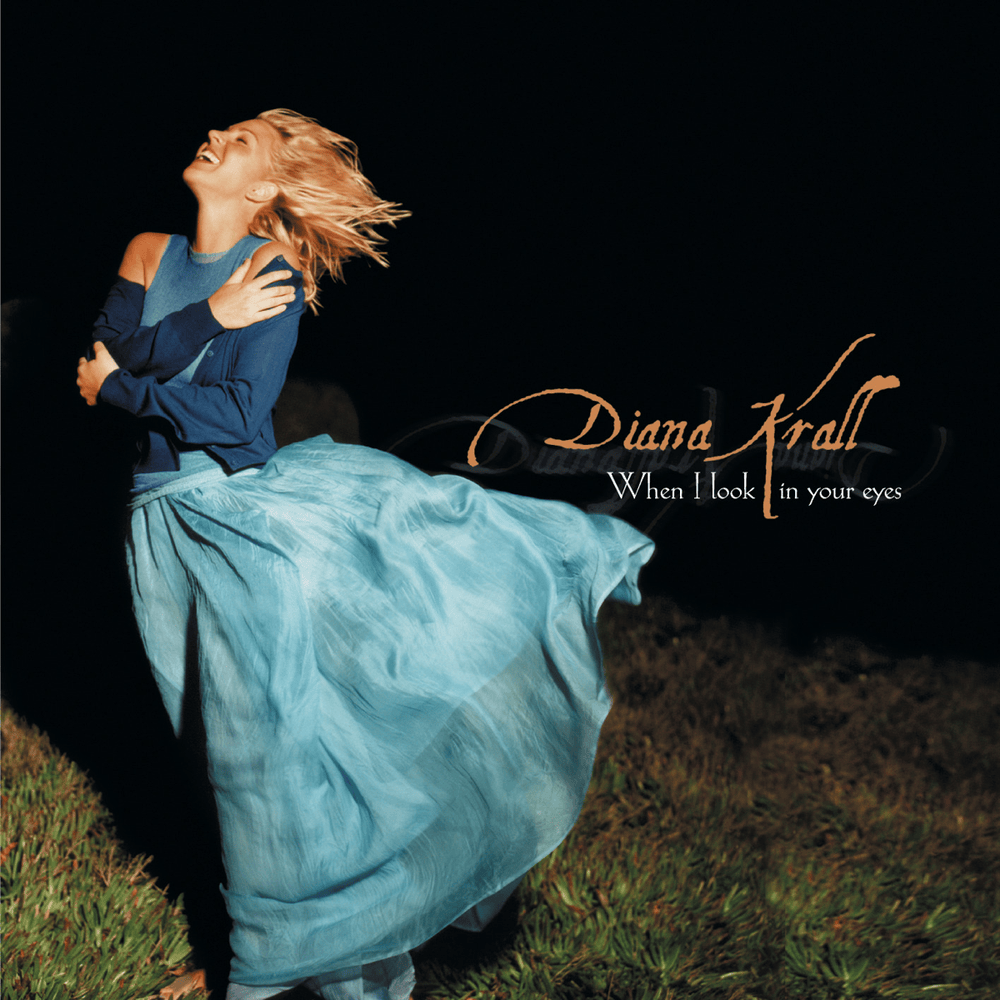
 View Artist