Song Meaning
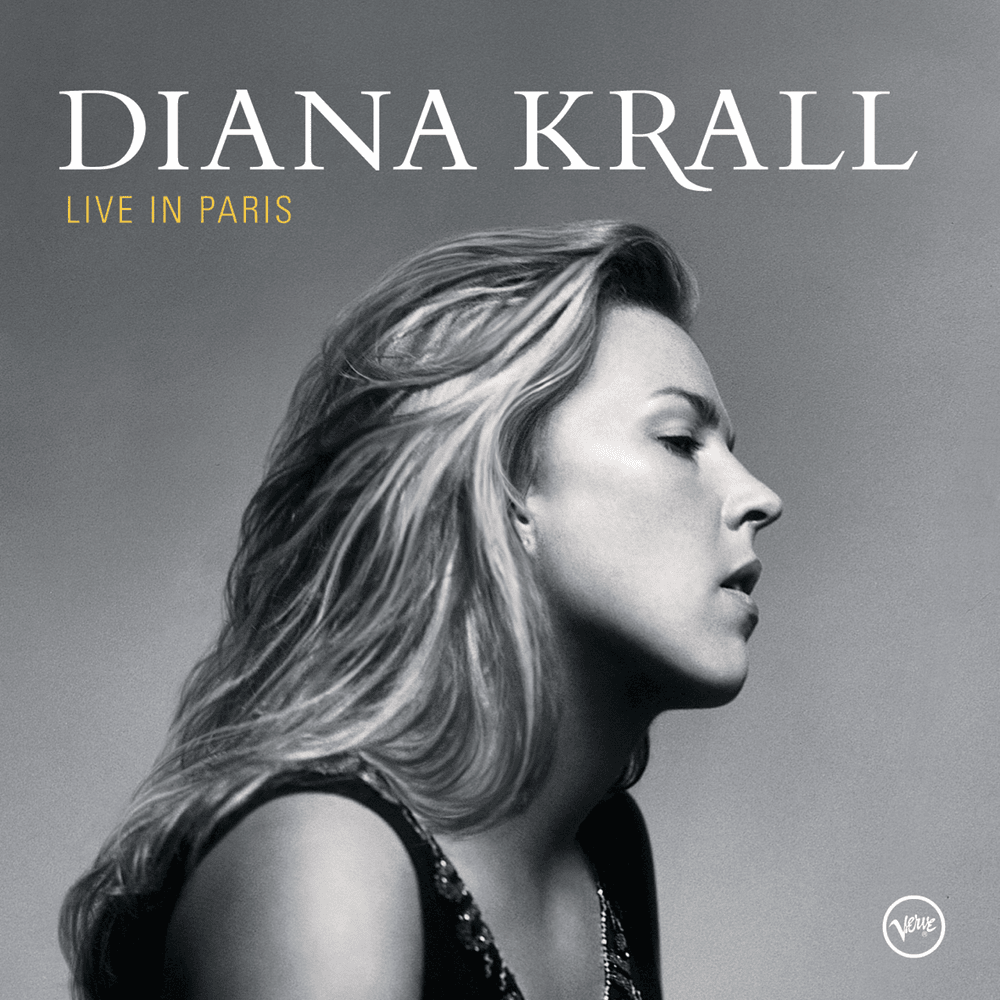
Diana Krall's live rendition of "Devil May Care" isn't just a song; it's a studied pose against the anxieties of existence. The track, a jazz standard, offers a glimpse into a mindset deliberately calibrated for insouciance. The lyrics advocate for a radical acceptance, a conscious shedding of "cares and woes" in favor of embracing the present moment. It's a philosophy of living that borders on hedonistic, yet it's delivered with Krall's signature smoky elegance, lending it a certain gravitas. The titular phrase "Devil may care" becomes less a flippant dismissal and more a carefully constructed defense mechanism.
The core of the song meaning lies in its rejection of regret and future anxieties. "When the day is through, I suffer no regrets," Krall croons, suggesting a deliberate detachment from the burden of past mistakes or future uncertainties. The lyrics subtly imply that fretting is a futile exercise, a waste of precious time ("he who frets, loses the night"). This isn't mere optimism; it's a calculated strategy for navigating a world rife with potential for disappointment and pain. The song acknowledges the ephemerality of life, urging listeners to "live love today" without being encumbered by what "tomorrow may" bring.
Ultimately, "Devil May Care" isn't about reckless abandon but rather about a conscious choice to prioritize joy and acceptance in the face of life's inherent uncertainties. It's a performance of nonchalance, perhaps, but one that speaks to a deeper human need to find solace and agency in a world often beyond our control. Krall's delivery, inflected with both vulnerability and strength, underscores the song's central tension: the delicate balance between embracing the present and acknowledging the inevitable uncertainties that lie ahead. It's a sonic reminder to not take things too seriously, and to live each moment like it's your last.
 View Artist