Song Meaning
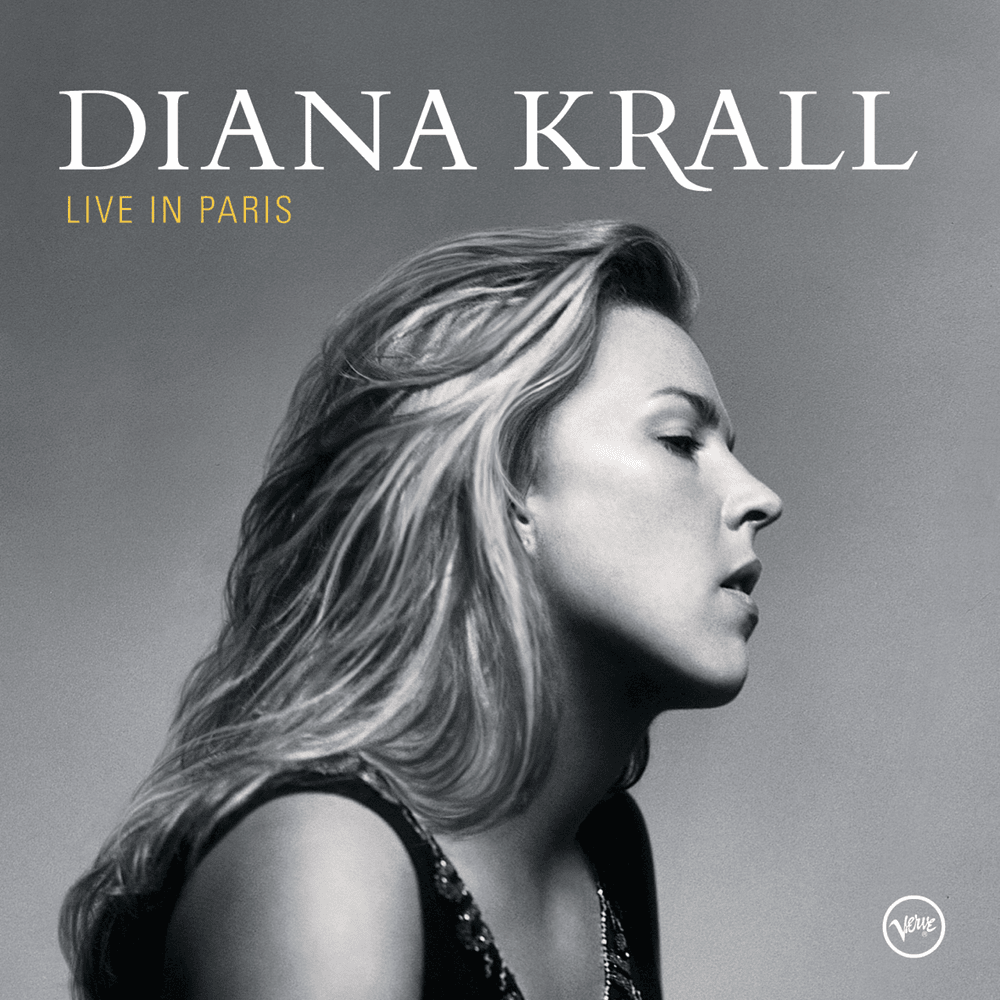
Diana Krall's rendition of "The Wicked Witch of the East" isn't about ruby slippers or a house falling from the sky. Instead, Krall strips away the Ozian imagery to reveal a raw, almost desperate yearning. The repeated questions – "Do I want you? Do I need you? Do I love you?" – aren't rhetorical; they're a mantra, a self-interrogation delivered with a smoky, late-night vulnerability. Each "Oh, my, do I?" and "Honey, Deed I do?" feels less like a confident affirmation and more like a fragile attempt to convince herself of the depth of her feelings. The simplicity of the lyrics becomes a strength, highlighting the obsessive nature of infatuation. The sparseness allows the listener to project their own experiences of desire and insecurity onto the song, making it deeply relatable despite its seeming straightforwardness.
The repeated declaration, "I'm glad that I'm the one who found you... That's why I'm always hangin'round...you..." is where the song takes on a slightly unsettling edge. This isn't just innocent admiration; there's a possessiveness, a clinging quality that hints at a fear of loss. The phrase "hangin'round" suggests a constant presence, a subtle surveillance that might be flattering at first but could quickly become suffocating. It raises questions about the power dynamics within the relationship and the singer's own self-worth. Is her identity so intertwined with this person that she feels compelled to constantly hover nearby?
Ultimately, "The Wicked Witch of the East," as interpreted by Krall, is a masterclass in understated emotional complexity. It's a portrait of love teetering on the edge of neediness, a delicate balance between devotion and dependency. The song's meaning resides not just in the words themselves but in the spaces between them, in the unspoken anxieties and vulnerabilities that Krall's performance so expertly conveys. It leaves the listener pondering the nuances of desire and the fine line between love and obsession.
 View Artist